Toray Unveils First Solvent-Based PPS Recycling Process
Toray Industries says it has developed the industry's first solvent-based recycling process for polyphenylene sulfide, a high-performance thermoplastic tha
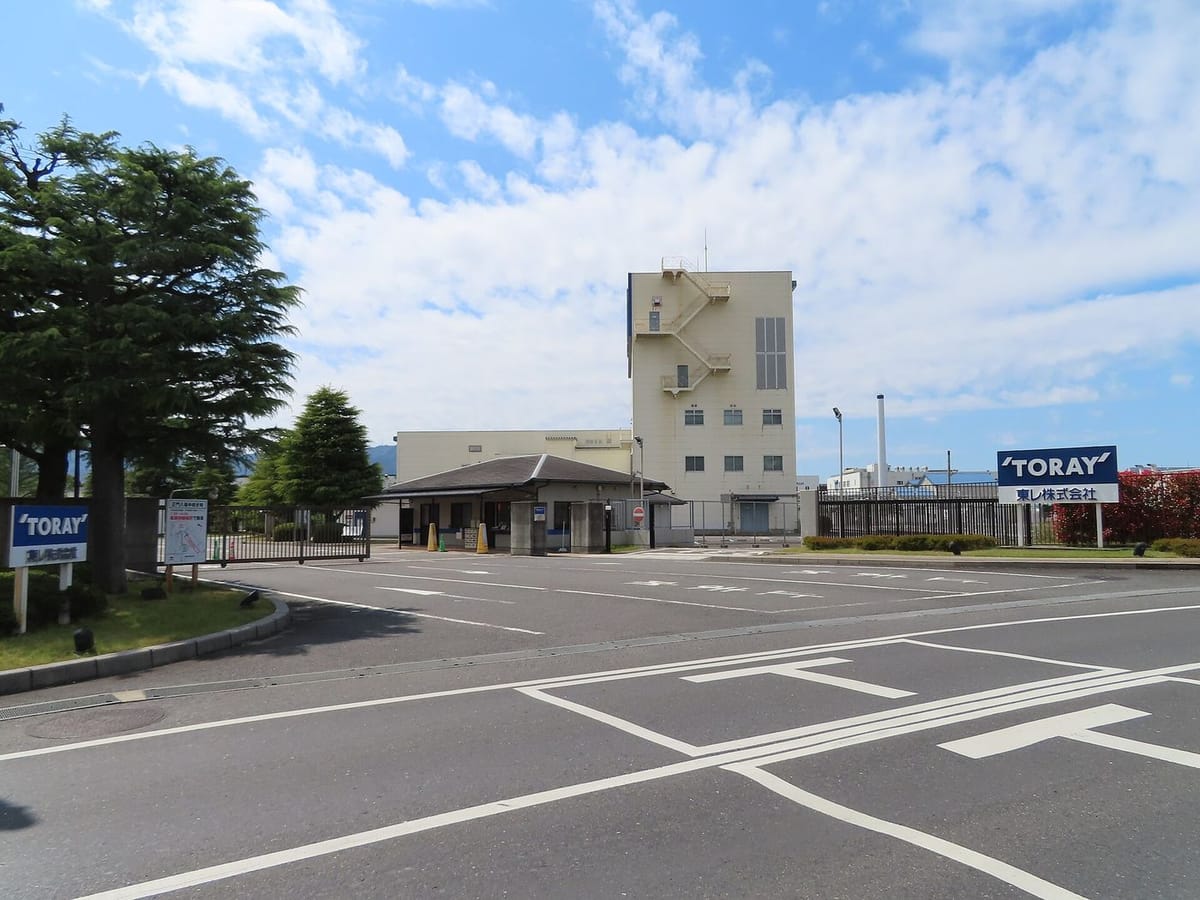
Toray Industries says it has developed the industry's first solvent-based recycling process for polyphenylene sulfide, a high-performance thermoplastic that has been largely locked out of the circular economy because nobody could separate it cleanly from the glass fiber and metal contamination embedded in scrap parts. The Tokyo-based materials company announced the breakthrough on November 1, targeting commercial supply of recycled PPS by 2030.
The process leans on PPS's unusual dissolution behavior. A proprietary solvent dissolves PPS-containing scrap, after which a solid-liquid separation step strips out insolubles — the glass fiber reinforcement and metallic contaminants that make automotive waste so difficult to handle. Crystallization then recovers the polymer itself. Because Toray recovers PPS selectively as a polymer, the route sidesteps the depolymerization-and-repolymerization cycle that conventional chemical recycling requires, and the company expects that to translate into significantly lower energy consumption.
The technical validation matters as much as the chemistry. Toray reports that the recovered PPS has a molecular weight close to virgin material, with melting point and crystallization temperature comparable to the original resin. That is the key differentiator over mechanical recycling, which tends to degrade the polymer and cannot remove filler contamination. A preliminary cradle-to-gate lifecycle analysis suggests the recycled resin carries a lower greenhouse gas footprint than virgin PPS. The feedstock so far is automotive waste — glass-fiber-reinforced PPS components covered by tightening EU end-of-life vehicle rules — and Toray is also exploring whether the recovered glass fiber itself can be reused.
For engineers who specify materials in fluid handling equipment, this development deserves closer attention than an automotive recycling story might suggest. PPS is a workhorse in harsh chemical service: valve seat rings, pump wear components, bushings, gaskets, and lined parts all rely on its combination of thermal stability, chemical resistance, and dimensional stability. When a recycled resin with near-virgin molecular weight reaches commercial supply, procurement teams will face a real specification decision — whether molded components such as seats and bushes can carry certified recycled content without compromising performance or traceability. Three hurdles Toray itself flags should shape that timeline: securing sufficient scrap feedstock, proving the process runs continuously at scale, and building customer acceptance for recycled grades. Until continuous operation is demonstrated, buyers should treat performance data as lab-scale and insist on lot-level certificates rather than accepting blanket equivalence claims. The lifecycle analysis angle is the more immediate lever: with EU procurement frameworks increasingly weighing embodied carbon, a resin offering documented cradle-to-gate savings could become a differentiator in tenders for pumps, valves, and lined piping systems well before 2030. Companies sourcing PPS compounds for injection-molded internals would be wise to open qualification dialogs early.