Aging Nuclear Fleet Puts Feedwater Piping and Valves in Focus
America's commercial nuclear fleet now averages roughly 44 years old, and with most of its 94 operating reactors cleared or expected to run for 60 to 80 ye
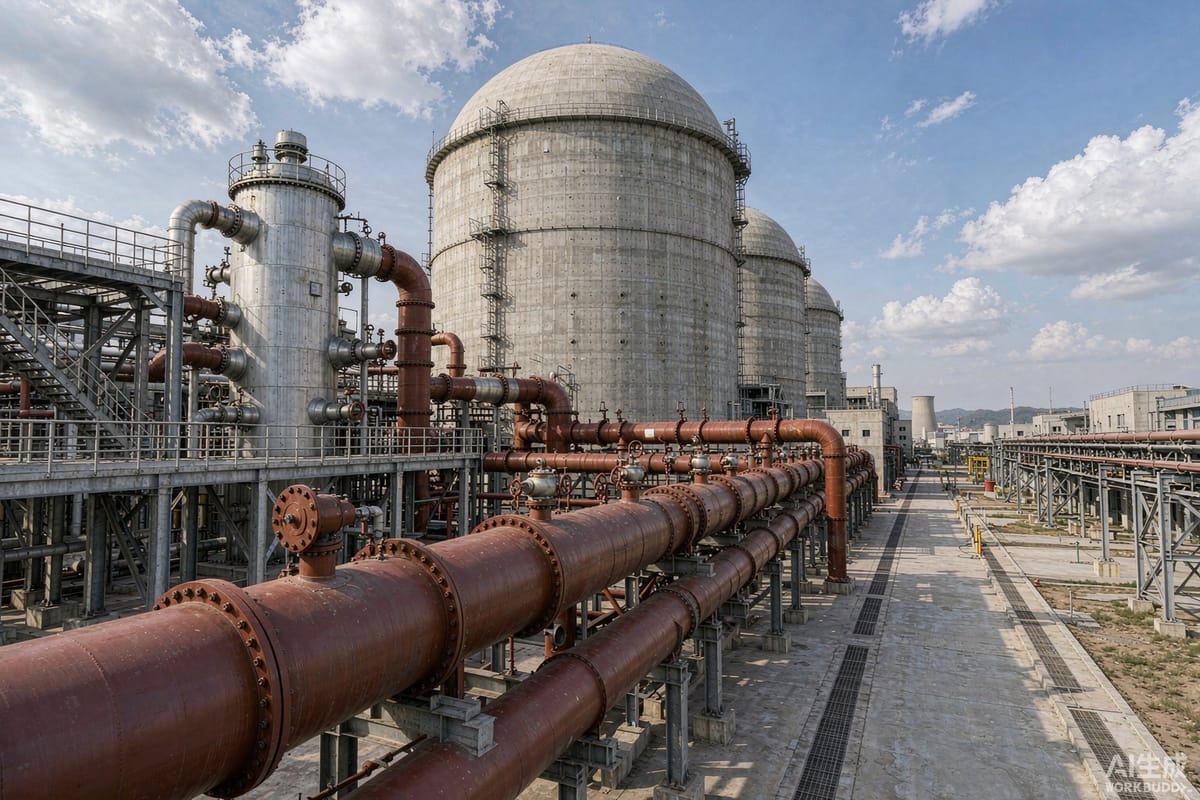
America's commercial nuclear fleet now averages roughly 44 years old, and with most of its 94 operating reactors cleared or expected to run for 60 to 80 years, the margin for unplanned equipment failure keeps shrinking. Lawrence Berkeley National Laboratory projects that data centers alone could absorb 11.8% of U.S. electricity consumption by 2030, while the EIA expects overall demand to climb 2.2% in 2026 and another 1.6% in 2027. Against that backdrop, a new industry commentary from corrosion engineers at IGS argues that fleet reliability now depends less on new construction than on how operators manage wall thinning, cracking and repairs inside steam and feedwater systems.
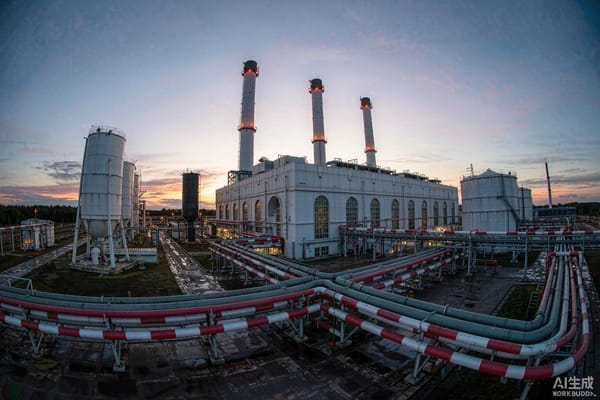
The fleet generated roughly 18% of America's utility-scale power in 2025 while running at a 91% average capacity factor, meaning any forced outage removes baseload that cannot be quickly replaced. The persistent threat on the secondary side is flow-accelerated corrosion (FAC), which dissolves the oxide film that protects carbon steel, hitting elbows, weld joints and every point where flow speeds up or changes course. Regulators sharpened their focus on wall thinning after a feedwater line ruptured at an American pressurized water reactor in December 1986. The commentary's case study covers cross-under piping treated with High Velocity Thermal Spray (HVTS) alloy cladding: nearly 8,000 square feet sprayed on each of two units across four phased outage campaigns, yearly passes of 850 to 3,000 square feet, zero extra outage days consumed, and material from a 2009 pilot still in excellent shape past 15 years in service. Where a weld overlay would create a heat-affected zone and demand post-weld heat treatment, the sprayed alloy sidesteps both.
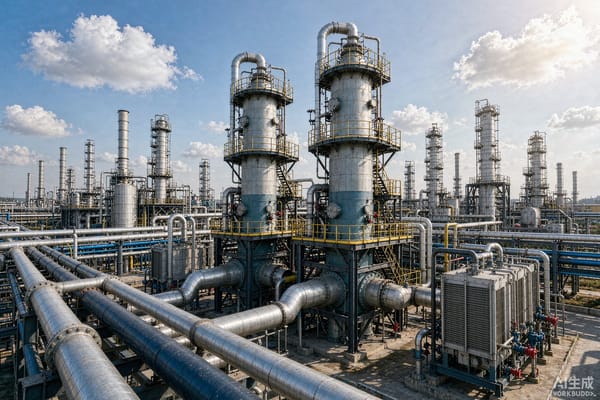
For anyone specifying valves and piping in power service, FAC concentrates precisely where valves live: immediately downstream of control and letdown valves, at reducer transitions near feedwater regulating stations, and in extraction lines carrying wet steam. Those geometries mix turbulence with droplet impingement, which is exactly the combination that accelerates metal loss in carbon steel. Three procurement implications follow. First, material selection matters more than schedule pressure: in FAC-prone services, chromium-bearing low-alloy steels or cladded surfaces should be on the table at specification stage, not after the first ultrasonic survey finds thinning at a valve-adjacent weld. Second, inspection programs should treat the welds, elbows and reducers flanking a control valve as one integrity circuit rather than separate line items, since deterioration often starts inside the pipe where external inspection cannot see it. Third, with the fleet this old, replacement components and repair services compete for the same limited outage windows. Suppliers who can qualify weld build-up or apply protective cladding without post-weld heat treatment shorten the critical path and, in radiologically controlled areas, reduce crew time in line with ALARA objectives. The wiser posture is condition-based: use trending wall-thickness data to decide among monitoring, weld restoration and replacement before an outage begins, because the 1986 rupture is a reminder that internal wear rarely announces itself from the outside.