Alliant's $5.1B Gas and Storage Buildout Signals Valve Demand
A $5.1 billion federal loan package for the two utilities owned by Alliant Energy — Iowa's Interstate Power and Light and Wisconsin Power and Light — has r
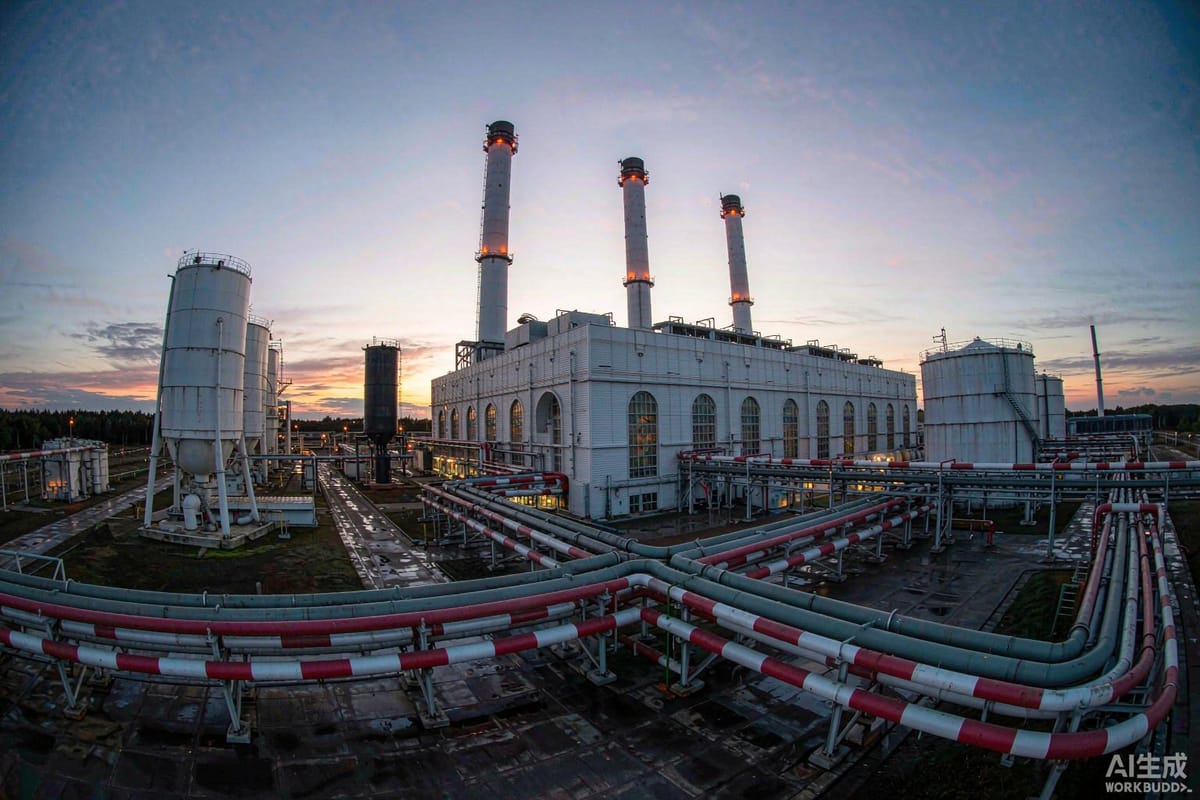
A $5.1 billion federal loan package for the two utilities owned by Alliant Energy — Iowa's Interstate Power and Light and Wisconsin Power and Light — has reached financial close, unlocking funds for over 2.6 GW of generation additions and upgrades together with 2 billion cubic feet of LNG storage. Announced by the Department of Energy on Oct. 28 and structured under the Energy Policy Act of 2005's Title XVII guarantee program, the deal lands as data-center contracts with Google, Meta and QTS push Alliant's projected load growth toward 60% by 2031.
Under the agreement, IPL may draw as much as $3.5 billion and WPL $1.626 billion; both contracts were signed Oct. 26, carry the applicable Treasury rate with a 37.5-basis-point spread, and mature in May 2056. DOE's tally counts roughly 1,500 MW of fresh gas-fired capacity — Alliant's own figure is 1.6 GW — alongside 240 MW of uprates at existing units and 1,000 MW of batteries. Among the named buildout items are Bobcat Energy Center, a 720-MW simple-cycle plant rising near Marshalltown; certificate filings for Morgan Valley Energy Center (720 MW) and the 1.2-GW Riverhawk scheme; reciprocating-engine units at Burlington (95 MW), Prairie Creek (94 MW) and Riverside (17.5 MW); battery sites at Lansing, Golden Plains and Whispering Willow-North; and a 2-Bcf LNG storage project in Rock County, Wisconsin. Drawdowns continue until Sept. 15, 2033, nested within Alliant's $13.4 billion capital plan for 2026-2029, of which $4.08 billion targets gas projects.
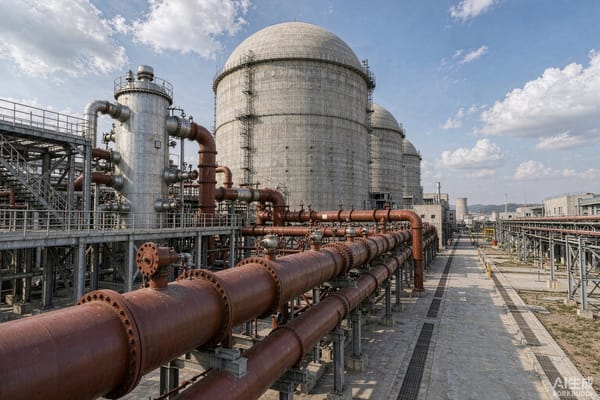
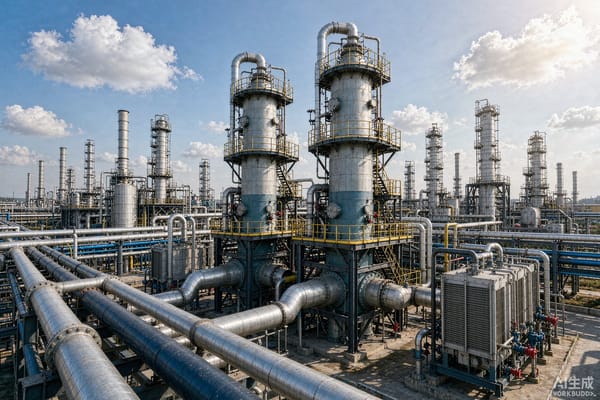
Read through a valve supplier's lens, this is a dense order pipeline. Simple-cycle gas turbines and reciprocating-engine peakers are among the most valve-intensive plant types per megawatt: fuel-gas skids need fast-acting control and shutoff valves rated for rapid starts, and RICE packages stack engine-mounted and balance-of-plant valves into every unit. The Rock County LNG storage facility adds a different specification problem, since liquefied natural gas service demands cryogenic isolation and control valves validated near minus 162 degrees Celsius, with tight fugitive-emission requirements. If WPL proceeds with converting Columbia Energy Center and Edgewater Unit 5 from coal to gas, boiler feedwater, sootblowing and fuel conversion valve scopes change character entirely. For procurement teams, the useful detail is timing: federal advances run through September 2033, and Alliant has not yet said which projects receive the financed scope, so specifications will keep flowing into the latter half of the decade. Manufacturers positioned on fuel-gas control, cryogenic storage and utility-scale isolation duty have a multi-year, credit-backed demand signal worth watching.