Tenaris Debuts TenarisHydril White Casing Connection
Tenaris has added a new premium connection to its casing lineup. The TenarisHydril White threaded and coupled connection, announced on November 2, is engin
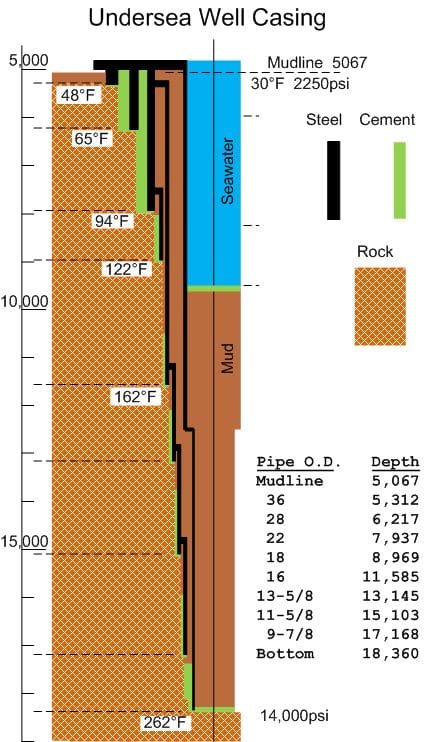
Tenaris has added a new premium connection to its casing lineup. The TenarisHydril White threaded and coupled connection, announced on November 2, is engineered for the toughest well architectures in the company's portfolio — deepwater completions, high-pressure and high-temperature wells, plus horizontal and extended-reach laterals — and is offered across a wide spread of pipe sizes.
The design centers on a slim coupling, which Tenaris says eases deployment in deviated wellbores and improves cementing efficiency around the connection joint. Alongside the slim profile, the company points to enhanced strength, sealability and torque capacity as the core performance claims. Two operational features give the product its practical edge. Dopeless technology removes the need for thread compound applied at the rig site, which shortens connection preparation and produces zero discharge during running. The connection is also designed for automated casing running equipment, keeping rig crews out of the high-risk red zone on the drill floor while casing is being made up.
Engineers who specify mechanical connections will recognize that a premium casing connection is, at its core, a metal-to-metal sealing system under axial, bending and thermal load — the same family of problems that govern valve seat and bonnet joint design in high-pressure service. Gas-tight integrity in HPHT wells depends on controlled makeup torque, interference geometry and surface finish, so torque-turn monitoring and qualified makeup procedures matter as much on the rig floor as they do in a valve assembly shop. The Dopeless angle is worth watching beyond drilling: eliminating field-applied compound removes a variable that has long plagued threaded joints — inconsistent lubrication changing apparent torque and risking galling or over-tightening — and it also answers increasingly strict discharge rules offshore, where washing compound off tubulars creates waste streams that operators now have to account for. For procurement teams, the arrival of another premium connection widens the field for competitive quotes on casing programs, but it also reinforces a trend: automated makeup compatibility and zero-discharge handling are becoming specification line items, not nice-to-haves, when operators screen tubular suppliers for complex wells. Vendors that cannot document consistent gas-tight performance and machine-assisted running will find themselves screened out early.