News
Hygienic Valve Standards Tighten Across Food and Pharmaceutical Sectors
Updated hygienic design guidance and stricter documentation expectations are raising the bar for sanitary valve suppliers serving food, beverage and pharma plants.
News
Updated hygienic design guidance and stricter documentation expectations are raising the bar for sanitary valve suppliers serving food, beverage and pharma plants.
News
3D-printed internals and housings have moved from prototypes to certified serial parts for selected valve lines, changing what small-batch manufacturing costs.
The fluid equipment industry is undergoing a quiet transformation. Three forces are reshaping the specification, procurement and maintenance of valves and pumps. Decarbonization & New Fluids Hydrogen, ammonia, carbon capture and liquefied natural gas are driving demand for valves designed for low-temperature, high-purity service with low fugitive emissions. Materials resistant
Power generation is a study in extremes: superheated steam at hundreds of bar, feedwater at high temperature, and large volumes of condensate and cooling water. Each loop demands a different valve strategy. Main steam and high-pressure loops Steam isolation uses gate and globe valves in forged steel with stellite trim
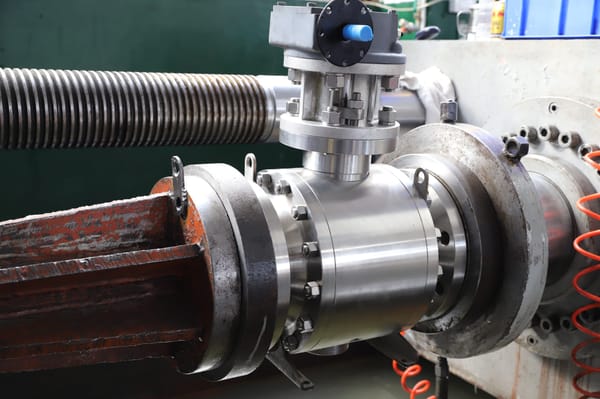
Chemical processing tests every part of a valve: the body against corrosion, the trim against erosion, and the stem seal against fugitive emissions. The stakes are high — a leak here is often a safety or environmental incident. Lined valves For strong acids and aggressive media, PFA/FEP-lined plug, ball and
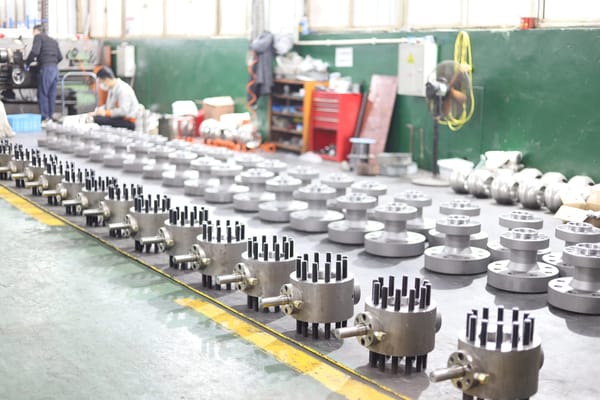
Every industrial valve is defined by two things: what it is made of, and which standard it was built to. Knowing both is how engineers specify valves that survive. Body materials * Carbon steel (WCB, LCB) — general service, up to ~425°C * Stainless steel (CF8/304, CF8M/316) — corrosion resistance * Duplex
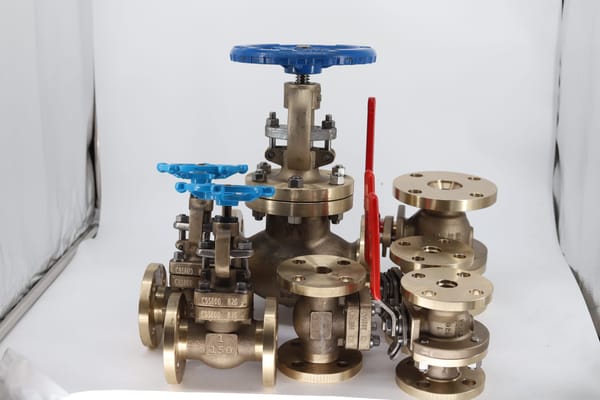
Water treatment looks simple on paper — it is only water — but the reality of chlorine, pH swings, slurries and aggressive chemistries makes valve selection a discipline of its own. Corrosion resistance Potable and process water are handled in stainless steel, ductile iron with approved linings, or engineered plastics such as
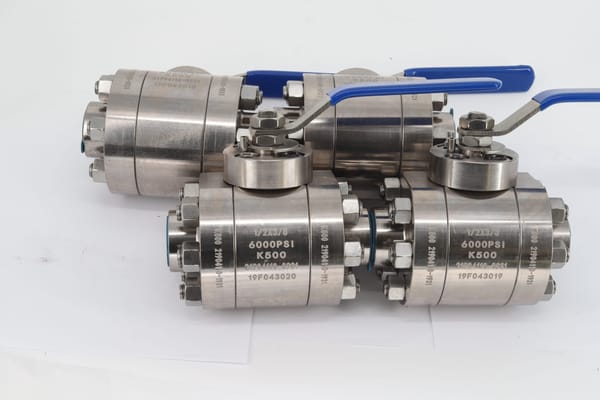
Every plant moves fluid, and almost every plant uses two kinds of pumps to do it: centrifugal and positive displacement. They solve different problems, and confusing them is a common source of field failure. Centrifugal pumps: flow over pressure A centrifugal pump accelerates fluid with an impeller and converts velocity
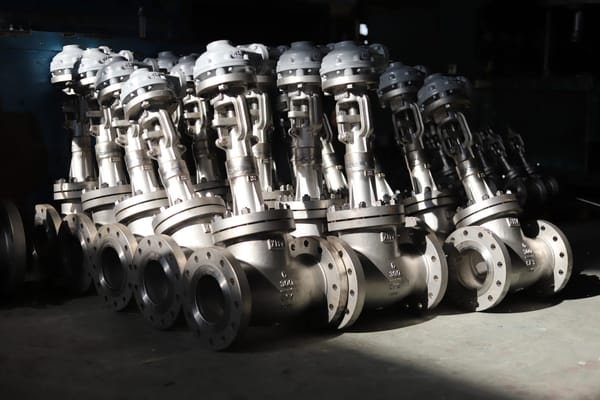
Oil and gas is where valve engineering gets serious. Pipeline isolation valves must seal after years in service, hold high pressure and survive fire. The workhorse is the trunnion-mounted ball valve built to API 6D. Trunnion vs floating ball A floating ball relies on the seats to hold the ball;
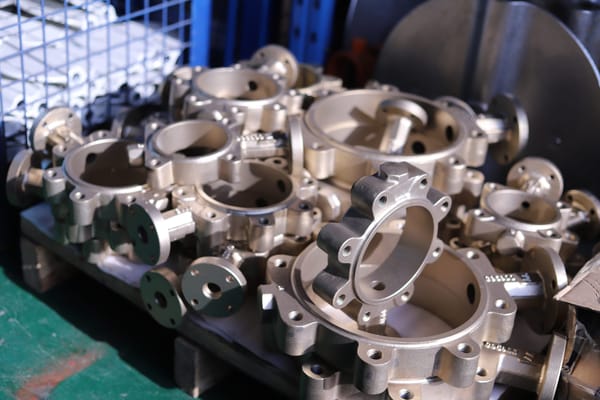
Valve selection is rarely about the valve itself. It is about the process: the fluid, the pressure, the temperature and how often the valve must operate. A spec that ignores any one of these will fail in service, often quietly, until it becomes expensive. 1. Fluid and its behavior Start