Flow Control in Power Generation: Steam, Feedwater and
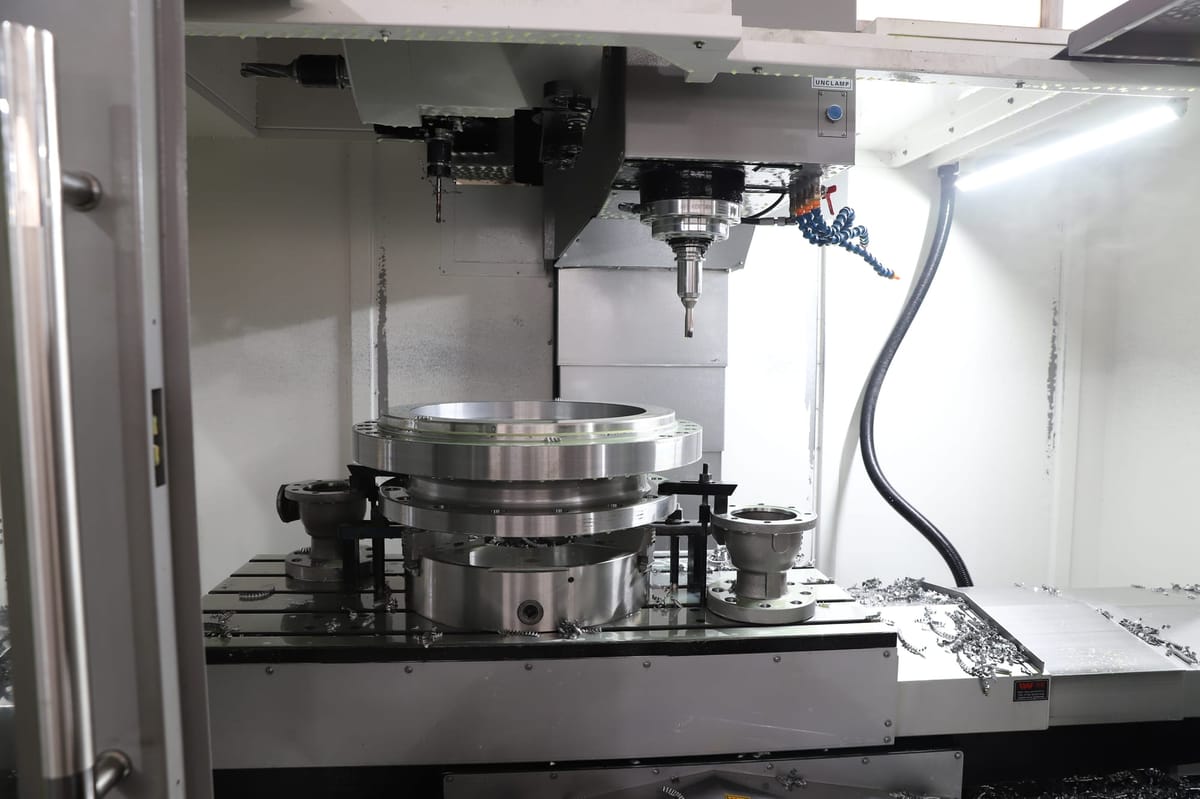
Power generation is a study in extremes: superheated steam at hundreds of bar, feedwater at high temperature, and large volumes of condensate and cooling water. Each loop demands a different valve strategy.
Main steam and high-pressure loops
Steam isolation uses gate and globe valves in forged steel with stellite trim to resist erosion and high-temperature creep. Control valves on bypass and letdown duty must throttle accurately across a wide range without flashing.
Feedwater and boiler feed
Feedwater control valves regulate level in the boiler. They see high differential pressure and must resist cavitation with multi-stage trim or cage-guided designs. Check valves protect the pump from reverse flow on trip.
Condensate and cooling water
Condensate recovery runs hot and slightly acidic, favoring stainless trim. Cooling water is huge in volume, so butterfly and other low-pressure-loss valves dominate the circulating water system.
Instrumentation and isolation
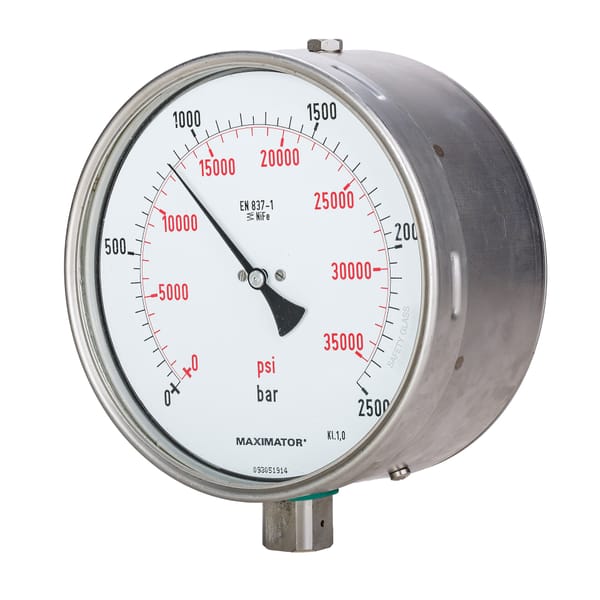
Root valves, manifold valves and double block-and-bleed assemblies protect instruments and enable online maintenance without shutting the unit down.
Reliability is the whole game: a valve failure in a power plant is measured in lost megawatts and forced outages.