Valve Materials and Standards: A Practical Reference
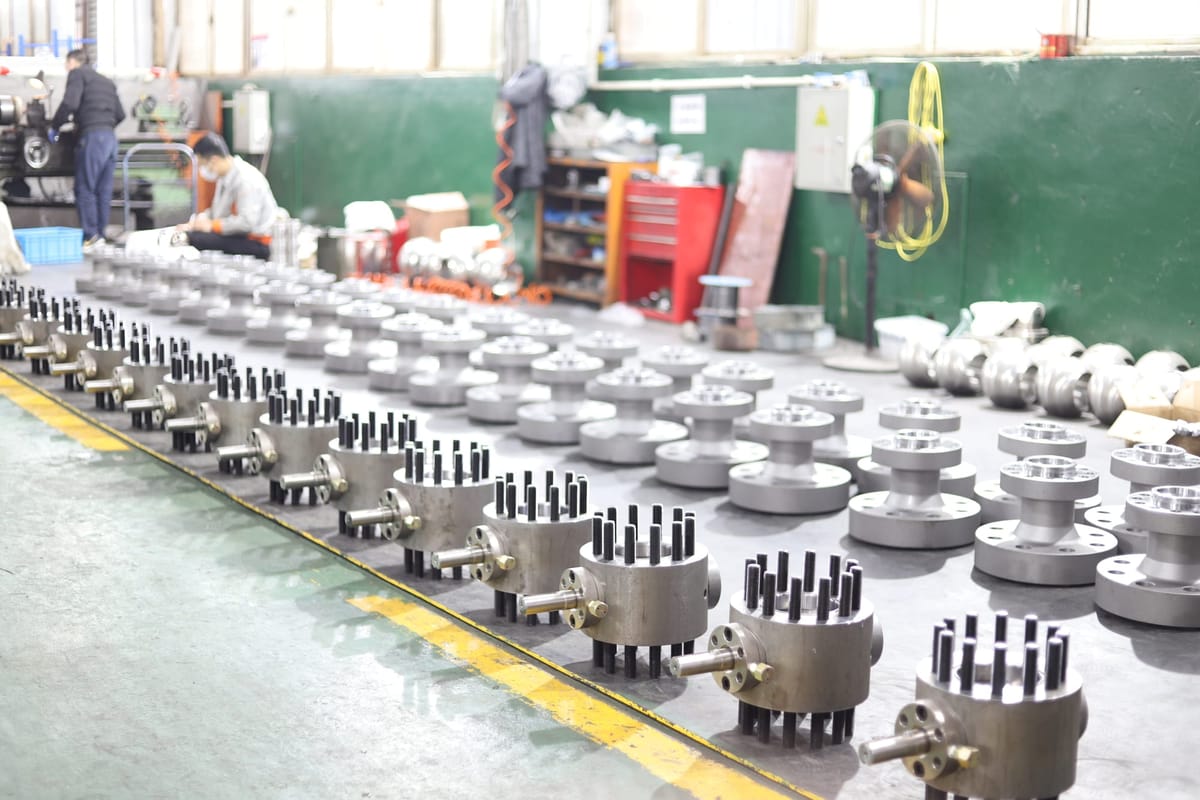
Every industrial valve is defined by two things: what it is made of, and which standard it was built to. Knowing both is how engineers specify valves that survive.
Body materials
- Carbon steel (WCB, LCB) — general service, up to ~425°C
- Stainless steel (CF8/304, CF8M/316) — corrosion resistance
- Duplex and super-duplex — chlorides and offshore duty
- Alloys (Monel, Hastelloy, Inconel) — aggressive chemistries and high temperature
Trim materials
Trim is the seat, disc and stem. Hardfacing with stellite or tungsten carbide resists erosion and galling in throttling and high-cycle service. Soft seats (PTFE, PEEK) give bubble-tight shut-off at moderate temperature.
Governing standards
- API 600 / API 602 — gate valves, cast and forged
- API 6D — pipeline ball/check valves
- ASME B16.34 — pressure-temperature ratings
- API 598 / ISO 5208 — seat and shell testing
- ISO 5211 — actuator mounting
A valve built to the right standard, in the right material, with test certificates in hand, is the difference between a 20-year asset and a scheduled failure.