Chemical Processing Valves: Materials, Lining and Leak
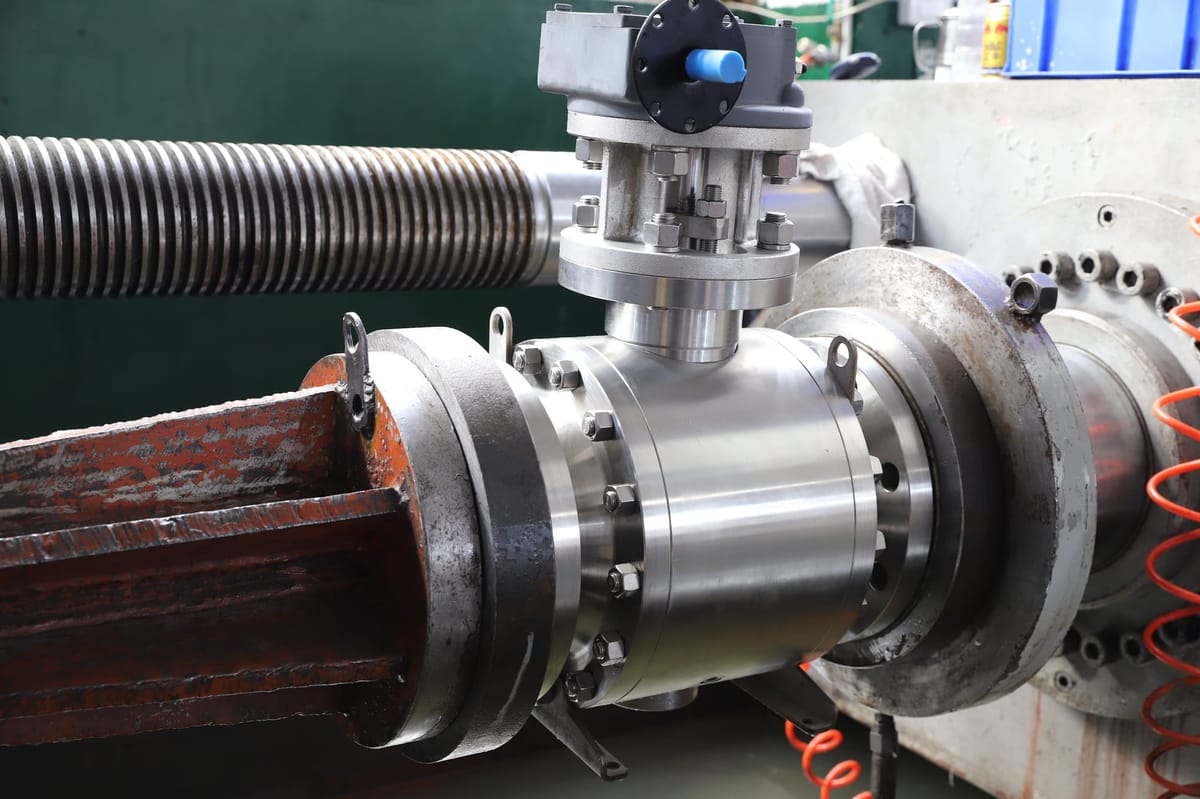
Chemical processing tests every part of a valve: the body against corrosion, the trim against erosion, and the stem seal against fugitive emissions. The stakes are high — a leak here is often a safety or environmental incident.
Lined valves
For strong acids and aggressive media, PFA/FEP-lined plug, ball and butterfly valves offer the corrosion resistance of fluoropolymers with the strength of a metal body. Lining integrity is the life of the valve, so handle and inspect with care.
Alloy selection
Stainless steel 316 is the baseline; hastelloy, monel, alloy 20 and titanium step in for specific chemistries such as hydrochloric acid, chlorides and oxidizing media. Material must match the full temperature and concentration range, not just nominal conditions.
Emission-tight stem sealing
Volatile and toxic service demands low-emission packing to ISO 15848. Live-loaded packing and bellows-sealed designs keep the stem from becoming the leak path.
Prevention over repair
In chemical service, the cheapest valve is the one that never leaks. Specify materials conservatively, test thoroughly, and inspect linings and seals on a schedule.