Industrial Valve Selection Guide: 6 Factors Engineers
Valve selection is rarely about the valve itself. It is about the process: the fluid, the pressure, the temperature and how often the valve must operate. A spec that ignores any one of these will fail in service, often quietly, until it becomes expensive.
1. Fluid and its behavior
Start with what flows through the valve. Is it corrosive, abrasive, viscous or slurry? Does it carry solids? The fluid defines the material of the body, seat and trim before anything else.
2. Pressure and temperature class
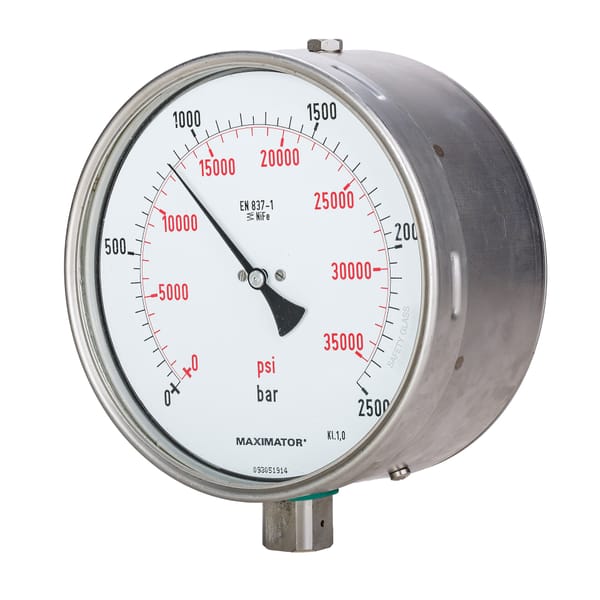
Pressure rating (PN, Class, API 600) and temperature determine the body material and pressure-temperature derating. A carbon steel valve rated for Class 300 at ambient may drop sharply at 400°C. Always check the P-T curve, not just the class number.
3. Function: isolation, throttling or check
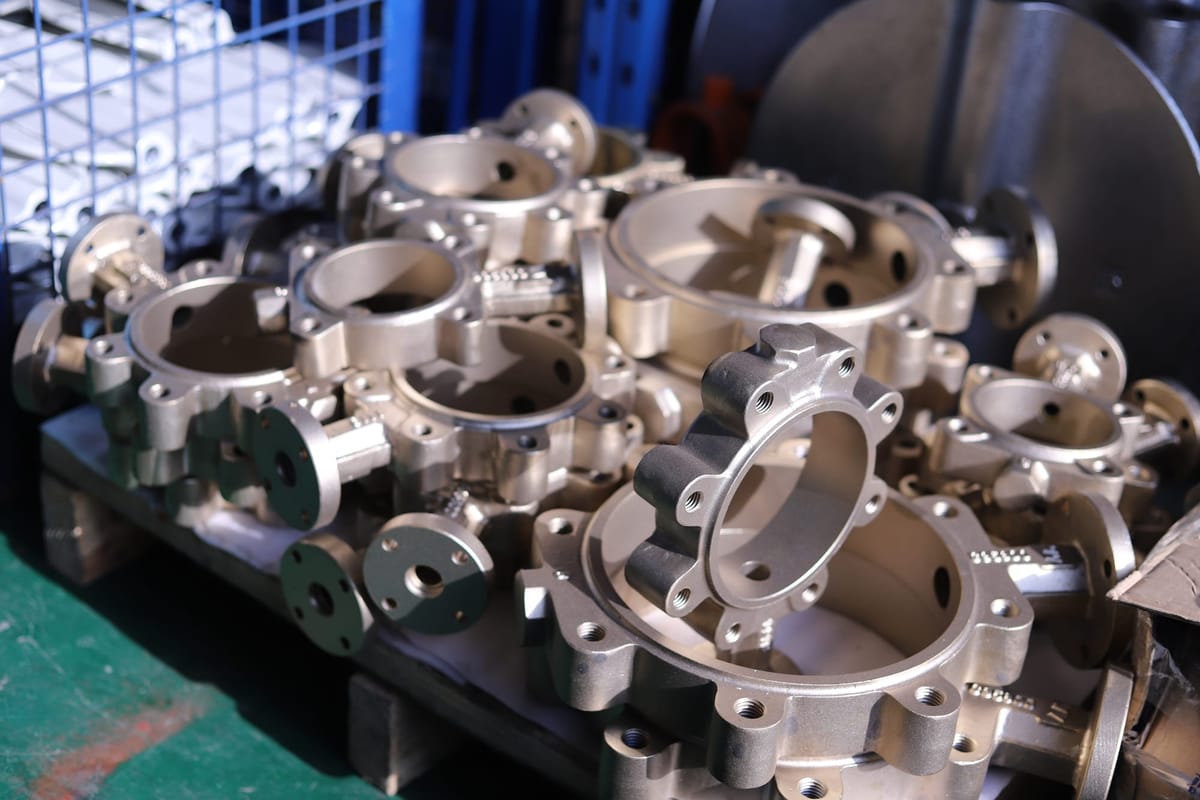
Gate, globe, ball, butterfly, check — each serves a purpose. Use a gate for tight shut-off, a globe for throttling, a ball for quarter-turn isolation, and never use a gate valve to throttle; the seat will erode.
4. End connections and installation
Flanged, threaded, socket-weld or butt-weld. Installation space, pipe schedule and whether the line must be pigged all influence the choice.
5. Actuation and automation
Manual, pneumatic, electric or hydraulic. Consider fail-safe position, speed of operation and whether the valve must cycle thousands of times a year.
6. Standards and certification
API 6D, API 600, ASME B16.34, ISO 5211, PED. The applicable standard narrows the field and gives the buyer confidence in testing and traceability.
Get the fluid, pressure and function right first, and the rest of the selection falls into place.