Transocean Standardizes MPD Choke and Valve Systems Across Fleet
Transocean has cut its fleetwide managed pressure drilling procedure library from 720 documents to roughly 200 by pulling the entire MPD lifecycle in-house, covering engineering, e
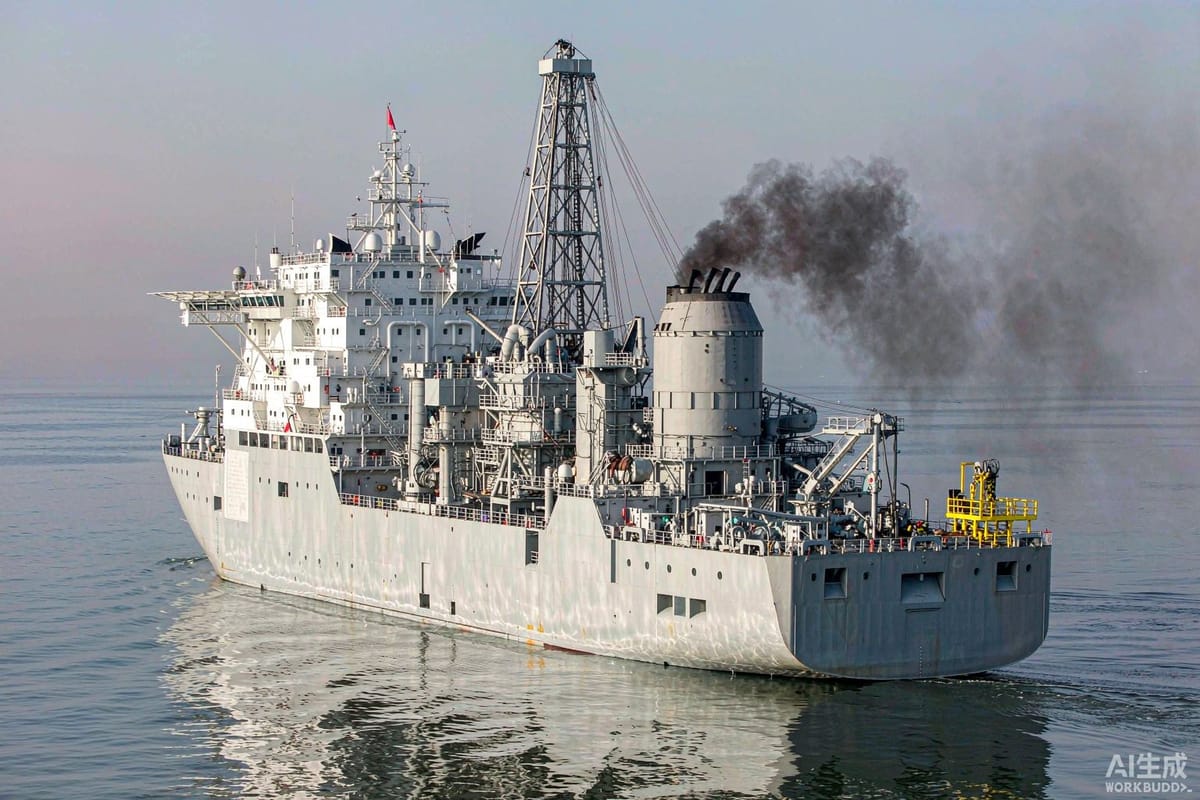
Transocean has cut its fleetwide managed pressure drilling procedure library from 720 documents to roughly 200 by pulling the entire MPD lifecycle in-house, covering engineering, equipment, integration and maintenance. Jon Thain, MPD Manager at the offshore drilling contractor, described the transition at the IADC/SPE MPD and UBO Conference in London on 15 September.
The contractor-owned model replaces a decade in which MPD arrived largely as a third-party service, and the shift exposed familiar pain points. Rig crews handling influx management received conflicting instructions from multiple teams on the rig floor, nonproductive time on internal riser joints ran as high as 5-6% in the early ownership phase, and software upgrades routed through OEMs could take six months or longer to validate. With 10 to 12 systems running concurrently, each carrying around 60 procedures, documentation had sprawled to 720 items fleetwide. Transocean rebuilt its approach on five pillars: standardization, customization, ownership, performance and reliability. The company moved to a common MPD tower configuration with consistent choke selection, pressure relief valves, electric actuation and valve manipulation, supported by matching piping and instrumentation diagrams. Control was consolidated onto a single annular pressure controller platform from Kelda Dynamics, which models both the well and the chokes and connects to third-party internal riser joint and relief valve vendors. Manifolds, electrically actuated valves and pressure-reducing valves that previously demanded three or four interfaces now operate from one HMI. The first Kelda system was commissioned on the Deepwater Invictus drillship last year, with crews ramped over three wells before OEM oversight was removed. In the year since deployment, MPD-related NPT on that vessel has dropped from 5-6% to less than 1%.
From a valve engineering standpoint, the most consequential phrase in Thain's presentation is "consistent choke selection." When a drilling contractor fixes one choke architecture, one pressure relief valve arrangement and one electric actuation scheme across an entire deepwater fleet, it converts dozens of bespoke, fit-for-inventory selections into a single repeatable specification. That is a procurement signal worth reading carefully. Suppliers who can document their valves against the operator's P&IDs, support open integration with third-party control platforms, and hold spare-part consistency across multiple rigs will be favored over those selling on available inventory alone — the exact pattern Thain criticized in the old service model. The single-HMI consolidation also raises the bar at the component level: electrically actuated valves and pressure-reducing valves must report into one control layer with predictable response behavior, which puts more weight on actuator diagnostics, partial-stroke testing and fail-safe documentation. For engineers specifying high-pressure trim, the 5-6% NPT figure on internal riser joints is a reminder that seal and seat reliability under cyclic pressure control, not just pressure class, drives total cost of ownership. And once one major contractor proves that a unified choke and valve package cuts NPT below 1%, comparable consolidation pressure will reach its competitors — and the valve supply chains that serve them.