Rogun Dam Tank Rupture Puts Pressure Safety Back in Focus
A ruptured industrial reservoir sent water flooding into a construction tunnel at Tajikistan's Rogun Dam on 21 October, leaving workers injured by some acc
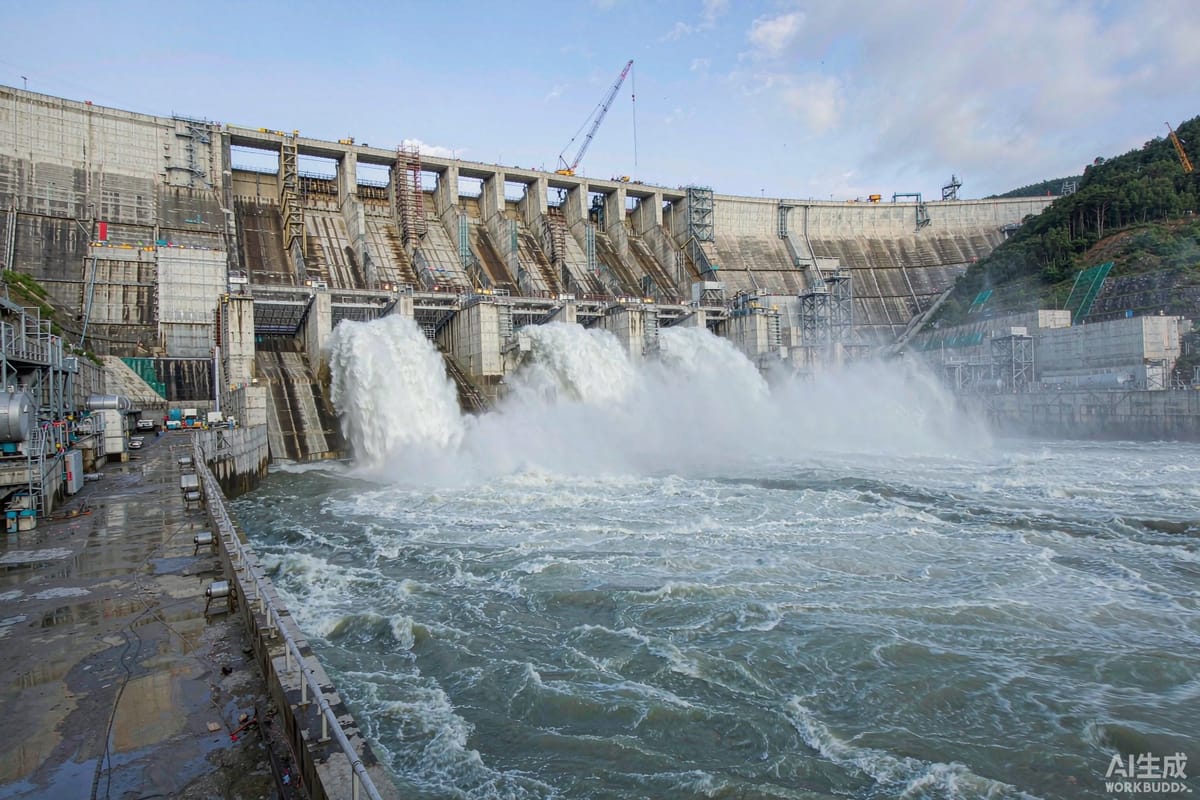
A ruptured industrial reservoir sent water flooding into a construction tunnel at Tajikistan's Rogun Dam on 21 October, leaving workers injured by some accounts and reviving uncomfortable questions about safety oversight at a megaproject meant to become the world's tallest dam.
Tajikistan's State Service for the Supervision of Industrial and Mining Safety confirmed an accident in a tunnel within a section of the plant still under construction. Asia-Plus reported that an industrial reservoir burst and water gushed into the tunnel while workers from subcontractor Sino Hydro carried out production tasks; a ministry representative quoted by the agency said those caught in the spill received first aid and returned to work, insisting nobody was hurt. RFE/RL's Radio Ozodi, which published video of the incident, dated it 22 October and cited witnesses saying more than five workers were injured, some trapped under rubble pushed in by the surge. Officials maintain the event says nothing about construction quality. The episode lands against a troubled backdrop: authorities admitted earlier this year that eight accidents occurred at Rogun during 2025 without describing their nature, and national data show Tajikistan recorded 46 industrial accidents in 2025, killing 40 people and injuring 27. When finished to design, Rogun will rise 335 meters, and the government is still estimated to need close to $6 billion in financing to complete it.
Whatever the exact casualty figure, a reservoir failure that floods a live work front is a flow-control failure as much as a structural one, and the lessons travel well beyond hydropower. When stored water is admitted to a tunnel or penstock, the isolation and control valves on that path carry the entire consequence of an upstream breach: emergency closure devices must be actuated, monitored and sized to shut against a surge, not merely to modulate steady flow. Surge analysis, the water-hammer math that predicts pressure spikes when a large volume accelerates through a tunnel, should drive both the pressure rating of the line and the closing-time settings of any motor- or hydraulically-operated gate. Interlocks that stop a downstream crew from working while an upstream isolation valve is open are cheap compared with rubble clearance. For buyers, the practical takeaway is to demand documented proof-test intervals for emergency isolation valves and relief devices, fail-safe actuator behavior on loss of signal or power, and position feedback wired to a control room that can actually see it. Megaprojects in remote terrain rarely get a second chance with marginal safety hardware.