Topsoe to License SynCOR Reforming for Texas Data-Center Hydrogen
Denmark's Topsoe has picked up another blue hydrogen mandate, this time from France's HDF Energy for a Texas power scheme that will feed electricity straig
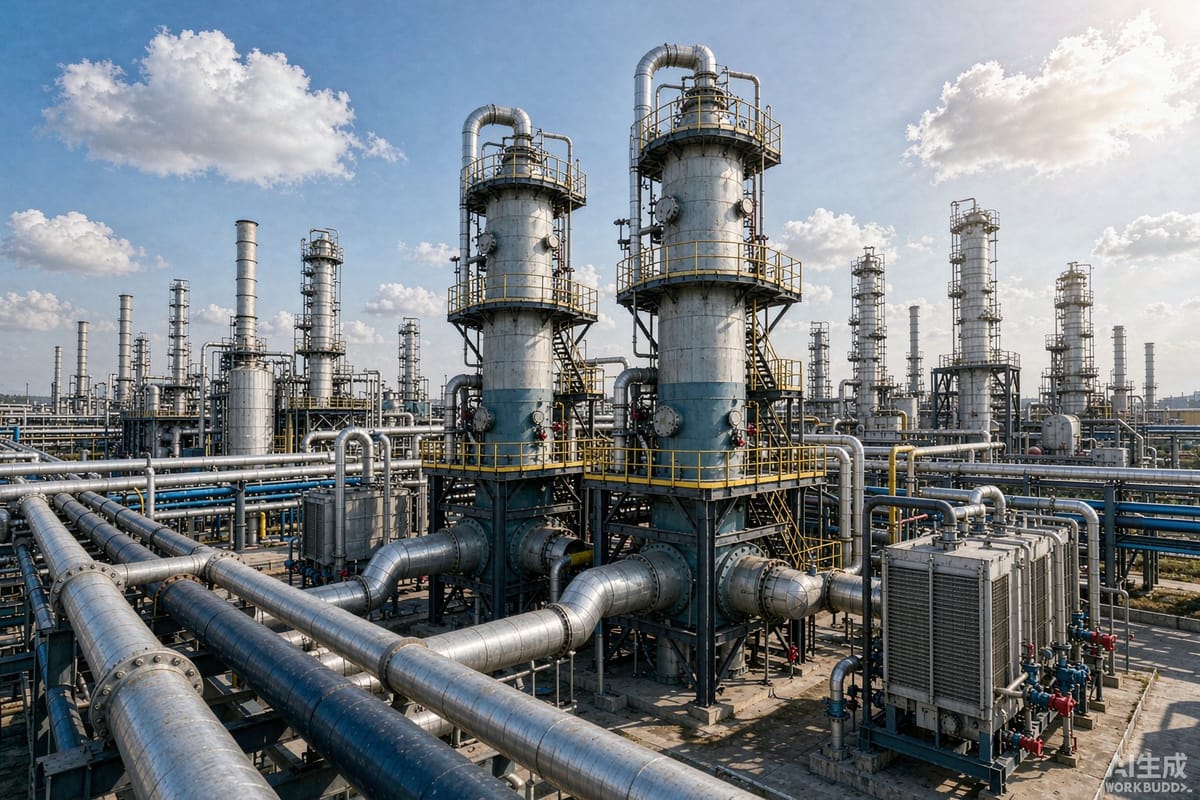
Denmark's Topsoe has picked up another blue hydrogen mandate, this time from France's HDF Energy for a Texas power scheme that will feed electricity straight to data centers. The Lyngby-based licensor will handle the license, process design and basic engineering for BaseBlue, and will supply proprietary equipment and catalysts covering both the hydrogen production train and its carbon capture section.
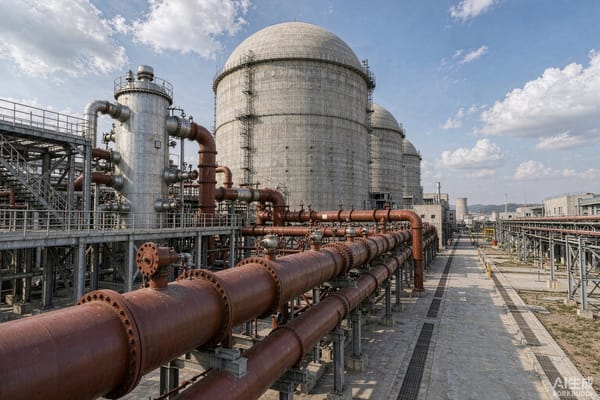
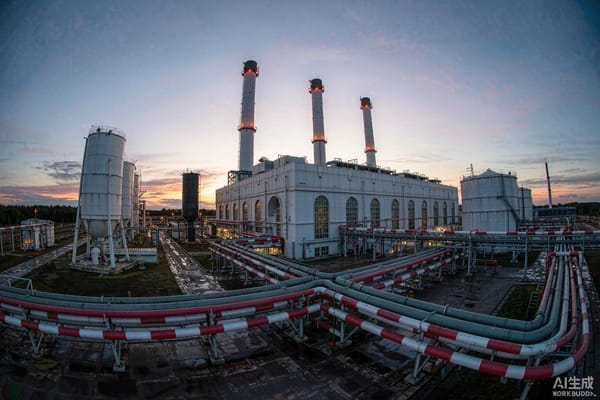
BaseBlue is built around Topsoe's SynCOR autothermal reforming platform. Natural gas drawn from the Permian Basin will be converted into low-carbon hydrogen, with the project expected to capture more than 95 percent of the carbon dioxide generated, on the order of 1.1 million metric tons annually. Daily hydrogen output is projected at roughly 400 metric tons, while the associated power block is sized for about 250 MW. HDF Energy, headquartered in Bordeaux, frames the venture as firm, behind-the-meter supply for data center operators that the Texas grid cannot reliably serve, combining its fuel-cell systems with the hydrogen plant for around-the-clock delivery. "Data centers are growing faster than the grid can follow, and their operators need power that is both firm and low-carbon," said Thibault Menage, HDF Energy's vice president for the US and Caribbean. Henrik Rasmussen, managing director for the Americas at Topsoe, described the deal as a first for the company's SynCOR technology in this configuration, pairing natural gas conversion and carbon capture with fuel cells at power-plant scale. The announcement was published on 30 October 2026.
For valve specifiers, projects of this type concentrate severe-service requirements early. Autothermal reforming produces syngas and hydrogen at temperatures and pressures that push line components hard: control valves in the reforming and letdown sections need trims qualified for high differential pressure, and hydrogen-rich service brings material selection challenges of its own, since hydrogen attack and embrittlement risk rise with pressure and strength level, a reason many specifications limit hardness and yield in high-pressure hydrogen lines. The carbon capture section adds amine service, where lean and rich solution control valves face erosion and occasional two-phase flashing, typically calling for hardened trims and generous maintenance access. Because BaseBlue is meant to follow data-center demand through fuel cells rather than run flat out, cycling duty on control valves will be heavier than in a conventional export hydrogen plant, which argues for conservative actuator sizing and condition monitoring from day one. Procurement timing matters too: a licensor-led basic engineering package fixes process conditions during FEED, so valve vendors who engage early, with fugitive-emissions credentials and fire-safe testing already in hand, will find the specification window friendlier than those who wait for purchase orders.