Curtiss-Wright Commits $30M to Nuclear Sensor Capacity in Texas
A $30 million Texas expansion adds pressure and temperature sensor capacity for nuclear and industrial markets, with knock-on effects for valve and instrumentation procurement.
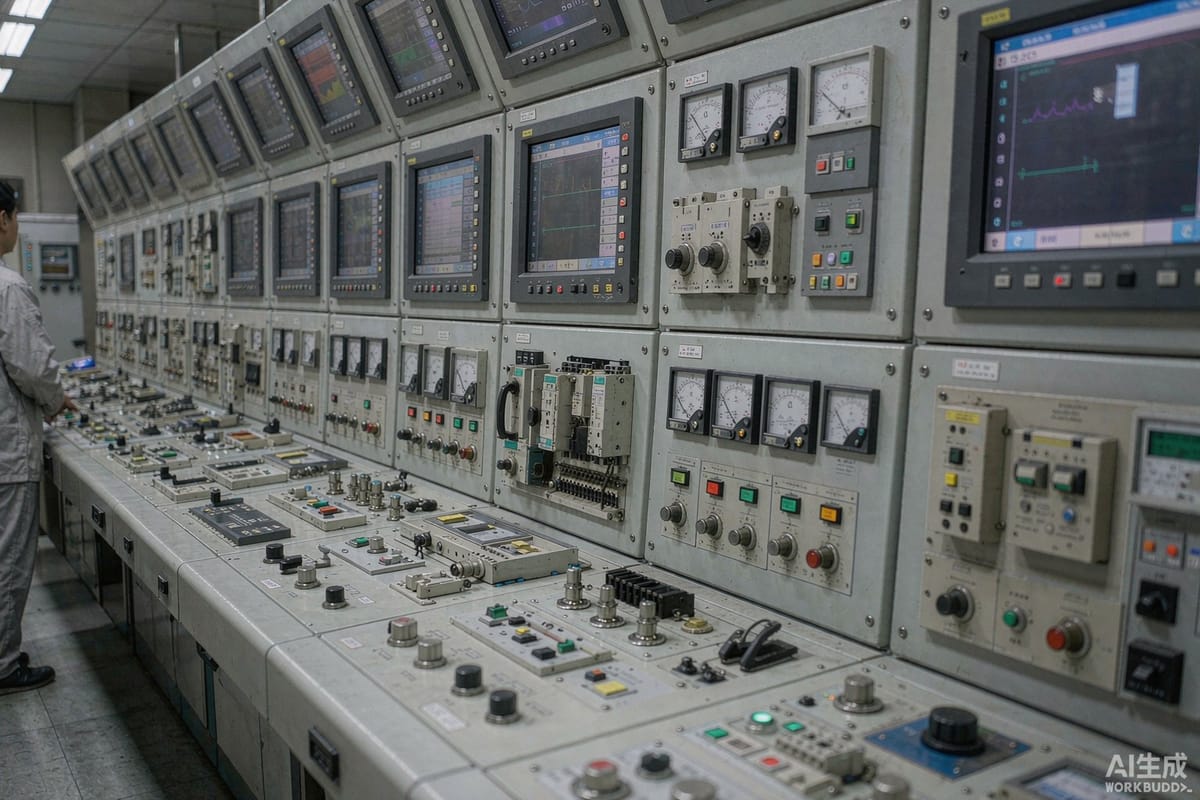
Curtiss-Wright is putting $30 million into its Round Rock, Texas plant to lift output of the pressure and temperature sensors that keep commercial nuclear reactors running safely. The Davidson, North Carolina-based company announced the investment on October 29, framing it as part of a wider push to grow its nuclear supply chain footprint as operating reactors modernize and new-build projects move toward construction.
The money funds a larger manufacturing footprint, improved production flow, and added space for instrumentation and control technologies such as radiation monitoring systems. Plans also call for an Advanced Innovation Center, a metrology testing laboratory and a project management office, along with additional hiring, although the company has not disclosed the added floor space, capacity gain, schedule or headcount. Chief Executive Lynn Bamford said the expansion positions the company to meet growing demand for critical temperature and pressure sensors supporting existing and new reactors. The move follows an $80 million expansion announced in July at Cheswick, Pennsylvania, which supports U.S. Navy programs plus future Westinghouse AP1000 and small modular reactor work and is expected to add roughly 150 jobs over three years. Chief Financial Officer Christopher Farkas has said capital spending rose about 30 percent in 2024 and 50 percent in 2025, with a further 30 percent increase expected in 2026. Naval & Power segment revenue reached approximately $410 million in the second quarter, up 7 percent year over year, and about $813 million for the first half of 2026, up 13 percent.
For procurement and engineering teams in the valve and instrumentation supply chain, the expansion is a signal worth reading carefully. Curtiss-Wright's nuclear portfolio already spans reactor coolant pumps, valves and I&C systems, and executives have estimated equipment content exceeding $150 million on a single AP1000 unit, with roughly half that figure for the proposed AP300 SMR. Across six SMR developers, the company is targeting content between $20 million and $120 million per design, with X-energy and Rolls-Royce SMR at the upper end. In practical terms, pressure-boundary components—sensors, transmitters, and the valves they actuate—will increasingly be sourced from a small pool of ASME III-qualified suppliers, and capacity planning is already running about two years ahead of confirmed orders. Buyers planning nuclear-adjacent or severe-service valve packages should engage qualified vendors early, because lead times for safety-class instrumentation and actuated valves will tighten as AP1000 and SMR orders materialize. The new metrology laboratory also hints at where the market is heading: tighter calibration traceability and documented measurement uncertainty are becoming table stakes for nuclear-qualified pressure and temperature devices. Plants outside the nuclear sector will feel a secondary effect as qualified capacity gets absorbed—longer qualification queues and industrial-grade alternatives for oil, gas and petrochemical projects are the likely knock-on through 2027.