Five 18m Torishima Intake Pumps Bound for Alkimos Desalination
Five 18-metre Torishima SPV800 intake pumps and a 36-pump order at the $2.8 billion Alkimos desalination plant - what the package means for valve selection, materials and procurement.
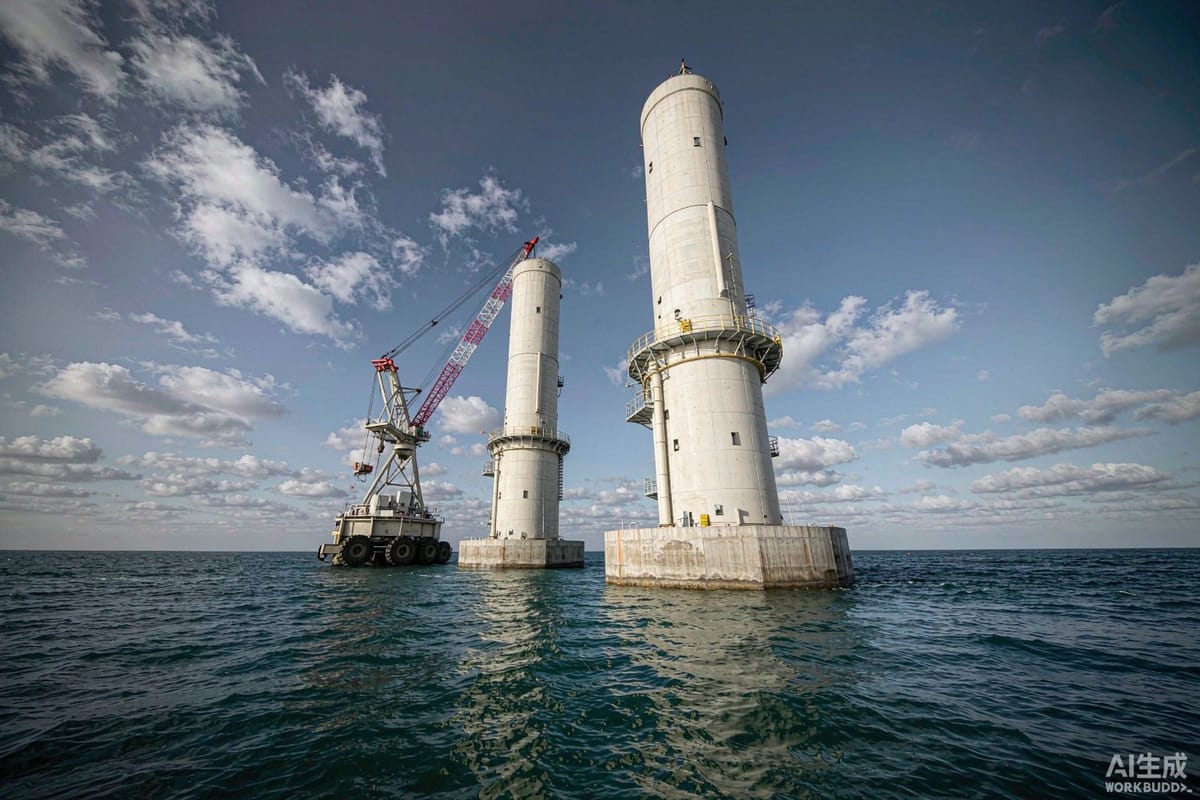
Western Australia's largest water infrastructure project has passed another milestone, with five Torishima seawater intake pumps now being delivered to the $2.8 billion Alkimos desalination plant. Each of the vertical units measures 18 metres in length, a scale that reflects both the volumes the facility must move and the depth of its offshore intake system.
Each pump is an SPV800 model rated to deliver 4,811 cubic metres of seawater per hour, forming the raw-water intake capacity that feeds the reverse osmosis process. The package is part of a larger order of 36 Torishima pumps for the project, which also covers the high-pressure pumps serving the RO train: radially split machines rated at 2,200 kW of input power.
The scale of the Alkimos development is substantial. Its first stage is designed to produce 50 billion litres of drinking water per year, equal to 150,000 cubic metres each day, with a second stage allowing another 150,000 cubic metres daily. Construction has advanced through 2026, and with more than six kilometres of undersea tunnelling finished after fifteen months of excavation, the project has entered its fit-out phase, where mechanical and electrical systems are being installed. Once commissioned, the plant will feed Perth's Integrated Water Supply Scheme and ease pressure on groundwater sources affected by declining rainfall.
For valve engineers and procurement teams, an intake system of this scale illustrates several recurring selection principles. Seawater is among the most unforgiving duties a valve can face: any wetted component must resist chloride attack over a design life measured in decades, which pushes material specification toward super duplex stainless steels, nickel alloys, or coated carbon steel with carefully managed galvanic interfaces. Equally critical are the large-bore isolation and check valves on intake lines running at nearly 5,000 cubic metres per hour per pump. Reverse-flow protection on a vertical pump of this size is not optional: a backspinning rotor can damage shafts and couplings, so engineered nozzle-check or swing-check valves are typically specified alongside the pump package itself. Upstream of the RO skids, the 2,200 kW high-pressure machines introduce a different problem: throttling and surge control at elevated pressures demand severe-service ball or globe valves with qualified cavitation and noise performance. The procurement lesson is timing. Large-diameter, alloy-intensive valves often carry longer lead times than the pumps they protect, so valve packages for projects like Alkimos need to be ordered against the pump maker's interface data early in the fit-out phase, not after mechanical installation has begun. Aligning material certificates, hydrostatic test requirements, and factory acceptance tests with the pump delivery schedule is what keeps commissioning on track.