Latin American Mining Expansion Lifts Demand for Abrasion-Resistant Valves
Copper expansion projects in Chile and Peru are ordering slurry valves, knife gates and pinch valves in volumes that reward specialist manufacturers.
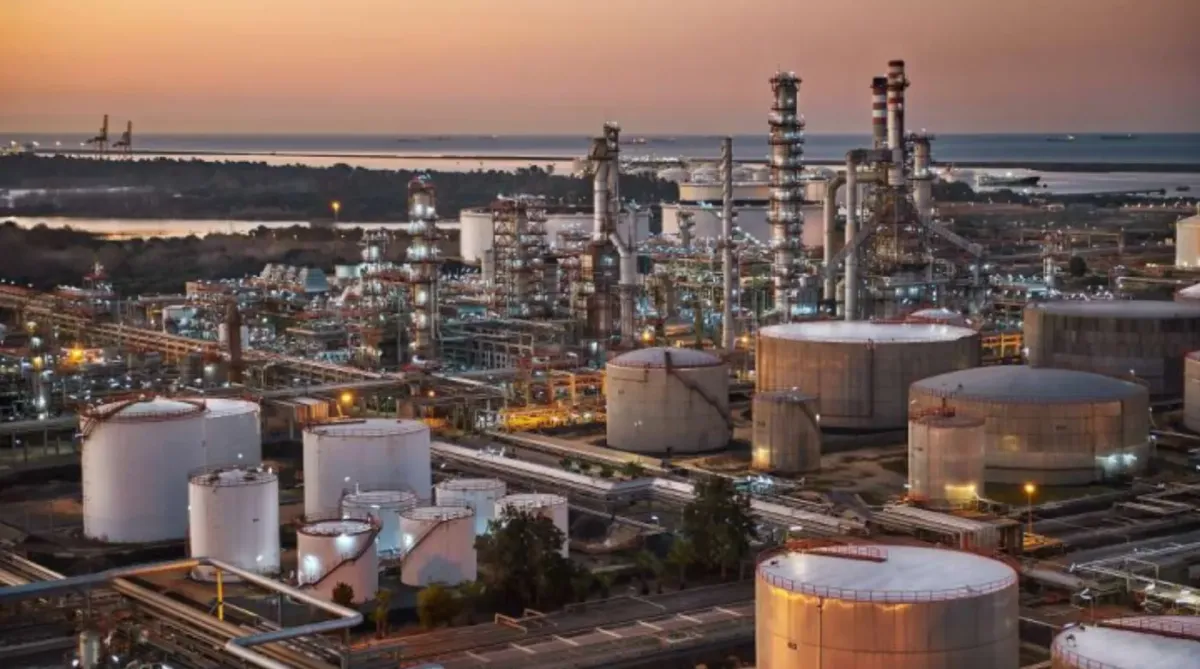
The copper expansion wave across Chile and Peru has a valve signature that is easy to recognize: slurry service everywhere. Concentrator plants, tailings systems and pipeline transport of mineral slurry consume valve types engineered around a single enemy — erosion.
Erosion rewrites the rulebook
Valves that would last decades in water fail in months in abrasive slurry. The winning designs minimize flow obstruction and expose replaceable surfaces: pinch valves whose elastomer sleeve is the only wetted part, knife gate valves with hardened gates and replaceable seats, and ceramic-lined ball valves for high-pressure transport lines.
Latin America's new projects are also specifying instrumentation earlier than previous generations. Remote-operated valves on tailings lines, interlocked with flow and pressure monitoring, reflect both safety regulation and the industry's automation ambitions.
What it means for the market
- Pinch and knife gate designs dominate low-pressure slurry service
- Ceramic-lined valves serve high-pressure transport pipelines
- Safety-driven instrumentation is being specified earlier than before
Specialist manufacturers with mining references report order books extending into 2027, and general-line valve makers are responding by partnering with slurry specialists rather than competing head-on — a division of labor that has stabilized across recent project cycles.
Water management drives specification
Water is the specification driver across Latin American mining, and valves sit at every decision point. Fresh water scarcity pushes tailings dewatering, which multiplies high-pressure slurry and clean-water valve counts. Regulatory pressure on tailings safety demands instrumented valves on containment systems, interlocked and monitored. And regional projects increasingly close water circuits entirely, consuming thickener underflow valves and high-pressure pump discharge check valves that test abrasion and water-hammer engineering simultaneously. Suppliers who understand the whole water circuit — not just individual valves — are winning specification influence that product catalogs alone cannot buy, and their designs carry project references that shorten the next qualification.
Supplier strategies
The supplier responses to this market are distinctive. Specialist slurry-valve makers are opening regional service centers, because wear-part replacement cadence — not the initial sale — defines lifetime value. General-line manufacturers are partnering rather than competing, referring slurry duty to specialists while supplying the surrounding clean-water and utility valves. Local presence matters disproportionately: sites in the Andes are hours from anywhere, and distributors with tested logistics to high-altitude operations capture loyalty that price lists cannot move. The market rewards patience and physical presence, which is why the successful entrants of past cycles built infrastructure first and chased orders second.