LNG Terminal Operations: Valve Issues That Repeat
Cryogenic valves cause the same headaches at LNG terminals year after year — shipping arm vibration, BOG compressor duty, send-out switchover, stuck valves after long standby, and the low-leakage fight between operations and procurement.
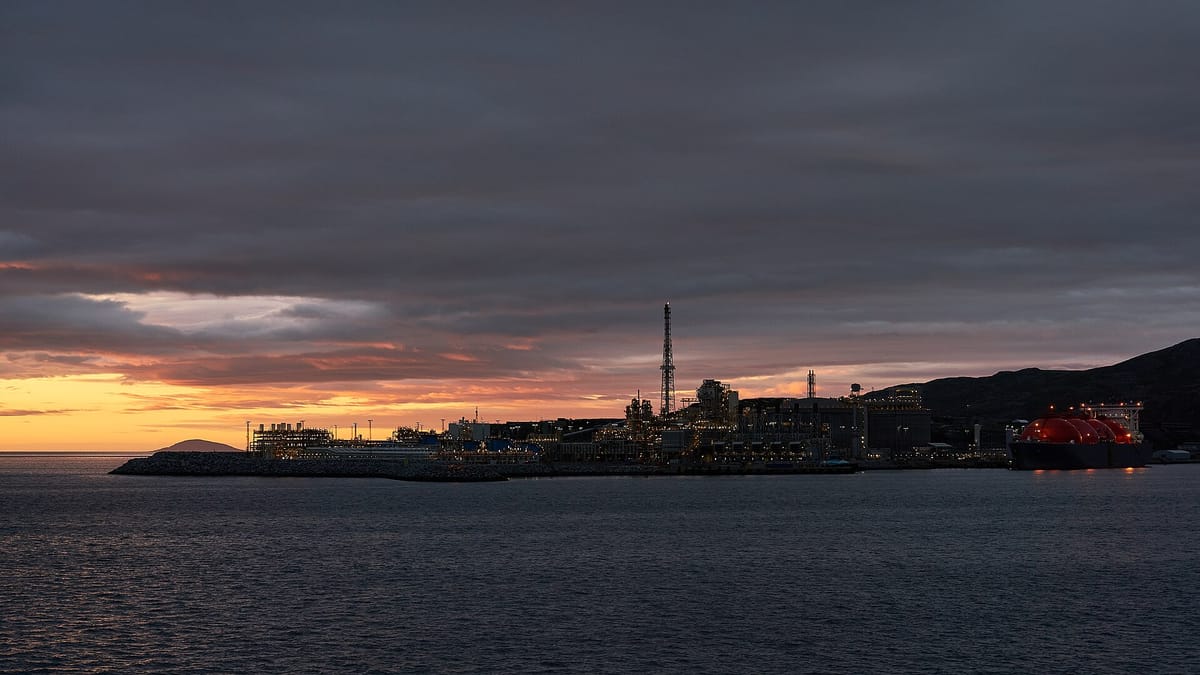
Walk into a receiving terminal control room during an unloading window and you will hear the same complaints that were being made a decade ago. A cryogenic valve near the shipping arm is passing a little more than it should. The boil-off gas compressor keeps cycling a suction valve that nobody trusts. The send-out switchover on the vaporiser train comes with a nagging vibration that maintenance has learned to live with. And somewhere in the pipe rack there is a valve that has not moved in months and will not move when the operators finally ask it to.
LNG terminals are unusual because the products are cold, the equipment is expensive, and the cost of an upset is measured in lost cargo value and lost send-out. The valve problems repeat not because people are careless, but because the terminal operates in a narrow band where small deviations matter a lot. The same few issues come back, and they come back to the same places.
The shipping arm is where cryogenic duty turns physical
Unloading is the moment when the terminal is most exposed. A cryogenic valve sitting close to the arm sees a combination of cold product, moving structure, and the vibration that comes with transferring large volumes in a short window. That combination is hard on valve internals.
The recurring symptoms are familiar:
- Stem sealing that starts tight and begins to weep after a run of unloading campaigns.
- Vibration loosening trim and actuator hardware on valves that are physically close to the arm.
- Rapid, repeated thermal changes as the line warms between ships and chills again when the next one arrives.
The honest judgement here is that arm-area valves should be chosen for the movement and the noise, not just for the temperature. A valve that is thermally correct but mechanically light will still cause trouble, because the shipping arm does not care about the datasheet.
BOG compressors punish any valve that cycles
Boil-off gas handling is continuous, and the compressors sit at the centre of it. Every valve that supports suction, discharge, recycle, and anti-surge duty moves far more often than its role in the P&ID might suggest. On a busy terminal these are high-cycle positions in a harsh service.
What goes wrong, repeatedly:
- Control valves that were sized for a nominal flow band and now spend their life working at the low end, where the trim erodes and the plug hunts.
- Anti-surge and recycle valves that move in fast, frequent strokes and wear their guidance and seats accordingly.
- Isolation valves around the compressor that are cycled often enough to make light-duty designs a poor fit.
The trade-off is straightforward and often ignored. A cheaper control valve that meets the flow case will still be expensive if it is rebuilt on a schedule nobody budgeted for. BOG service rewards a valve that is comfortable moving, not one that is merely able to move.
Vaporiser switchover is a vibration problem in disguise
Send-out vaporisers, whether they are the open-rack type that take heat from seawater or the submerged type that burn fuel, need to be brought on and taken off line. That switchover is where a lot of terminal valve pain lives.
The flow changes are large, and they happen over a short time. Valves that sit in the switchover path see sudden changes in differential pressure and flow direction that generate vibration and, in the worst cases, water hammer on the warm side of the system. Operators often accept a low hum as normal. In practice, that hum is a warning that the valve and the line are being worked in a way the original design did not anticipate.
The useful questions before any switchover review are simple. How fast does the terminal actually make the change, and could it be slowed down without hurting the send-out plan? Which valve takes the harshest transient, and was it chosen for that or for its steady-state duty? The answers usually point to one or two positions worth upgrading rather than a system-wide change.
Deep-cryogenic valves that sit idle and then refuse to move
A cryogenic valve can be perfectly healthy and still fail the moment it is needed, because its problem is not wear. It is inactivity. A valve that has been parked in one position for months, at low temperature, with a cold gland and cold seating surfaces, develops a willingness to stay put that surprises everyone during an emergency.
The reasons are mundane:
- Ice and frost build-up around stems and moving parts in humid climates.
- Grease and packing stiffen at low temperature when they have not been exercised.
- Thermal contraction leaves clearances tighter than the design assumed.
The fix is not complicated, but it needs discipline. A valve that matters for safety or send-out must be exercised on a schedule, and the schedule must survive the pressure of a busy terminal. When a terminal skips the exercise routine, it is not saving time. It is storing up a failure for the day it can least afford one.
Low-leakage requirements and the daily maintenance trade-off
Modern terminals face tightening expectations on fugitive emissions, and those expectations land squarely on valves. The operator then has to balance two things that pull in opposite directions: a valve that seals very tightly, and a valve that can be maintained quickly without disrupting operations.
Where the balance goes wrong:
- A packing arrangement optimised for very low leakage can be stiff to operate and harder to service, which slows down routine work.
- A valve that is easy to maintain may not meet the low-leakage target without extra attention every time it is repacked.
- Monitoring equipment adds value but also adds work, and work that is not resourced does not happen.
The judgement call is to decide which positions genuinely need the tightest sealing and which ones can accept a more practical arrangement. Treating every valve on the terminal as if it must meet the most aggressive target is expensive and, more often than not, unnecessary.
What operations and procurement keep arguing about
These terminals run on a tense working relationship between the people who keep the plant running and the people who buy the valves. The arguments are predictable, and so are the ways they go unresolved.
The recurring disagreements:
- Operations wants the heavier, more forgiving valve; procurement sees the price difference and asks why the last one was not good enough.
- Operations describes the duty in terms of failures and upsets; the purchase order describes a design condition that matches a spreadsheet.
- A replacement is needed urgently, and the fastest option available is the one that caused the original problem.
- The long lead-time item is deferred to save budget, and the deferral becomes a schedule risk the following campaign.
- Nobody owns the question of whether a valve is being asked to do more than it was selected for until it fails.
The way out is not a bigger budget. It is a shared, honest description of what each critical valve actually does — how often it moves, how cold it gets, how fast the flow changes, and how it has failed before. That description is what turns a price argument into an engineering conversation.
Getting the terminal's real duty onto the table
LNG terminals will keep running the same kinds of valves in the same harsh conditions, and the recurring issues will keep recurring unless the duty is described accurately and matched to the right selection. The plants that improve are the ones that stop treating every problem as a one-off repair and start looking at which positions are being asked to do more than they were chosen for.
This kind of review is usually done jointly with the manufacturer. An experienced maker that produces the full valve range in-house — ball valves, control valves, gate valves, globe valves, check valves, strainers, knife gate valves, plug valves and butterfly valves — can usually tell you within days whether a proposed selection is realistic for cryogenic, high-cycle service. Send the line list, the operating pattern, and the failure history to the manufacturer's applications team and ask for a per-position proposal.