LNG's Second Wave: Where the Valve Opportunities Concentrate
A new round of liquefaction and regasification capacity is moving into procurement. Here is where cryogenic valve demand concentrates and how buyers can pre-position.
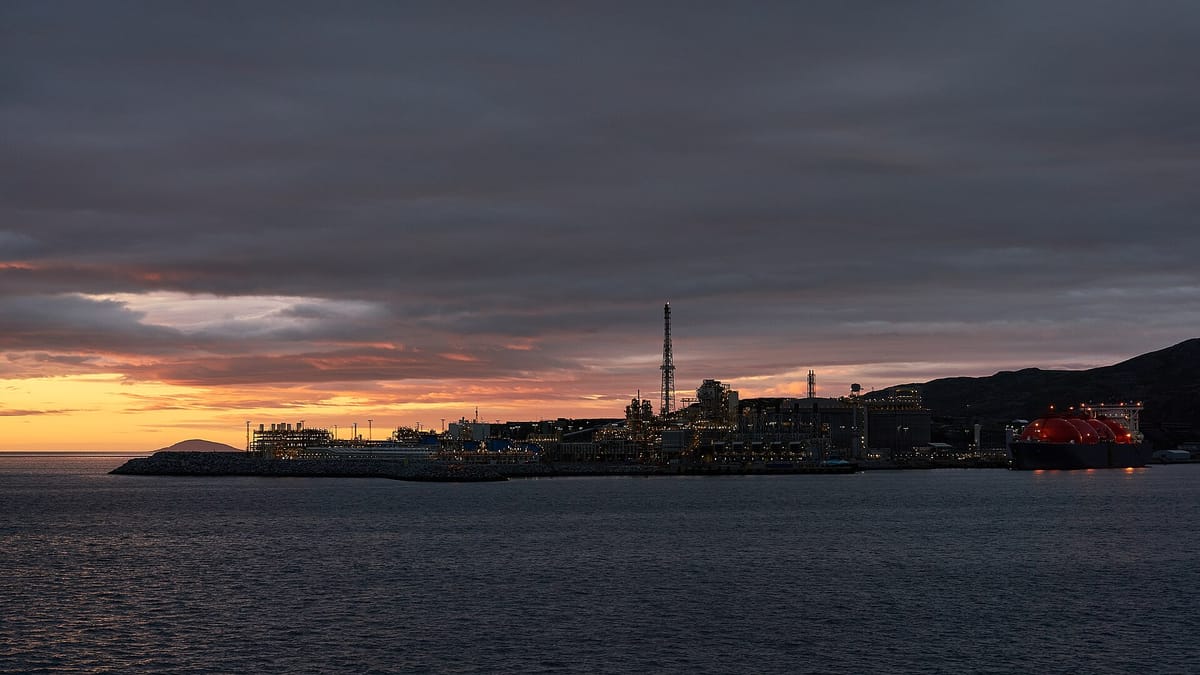
Ask anyone buying valves for LNG duty about lead times and you get a dry laugh. It has been a tight market for years, and the next round of capacity is not going to loosen it. The first wave of LNG build-out was about giant trains and giant receiving terminals. The wave now moving through procurement is more varied, more distributed, and in some ways harder to buy for, because the projects are smaller and the schedules are shorter.
The distribution logic has changed
The headline projects still matter — large liquefaction trains and large import terminals soak up enormous valve packages. But the growth story has spread out along the chain.
- Export capacity additions are increasingly paired with import capacity in the same commercial deal, so procurement on both ends moves together.
- Floating liquefaction and floating regasification continue to attract capital because they can be built and financed in a way that onshore megaprojects struggle to match.
- Onshore import terminals are being added in markets that previously had no gas infrastructure at all, which means a full valve scope from the jetty through to the send-out line.
The practical effect is that the enquiry flow is broader than before. Instead of a handful of very large packages, buyers are seeing a larger number of mid-sized ones, spread across more countries and more engineering cultures. That spreads the demand but does not make it any easier to schedule.
Small-scale and bunkering are the interesting addition
The part of the market that has genuinely changed character is small-scale LNG and marine bunkering. These are not miniature versions of a big terminal. They are different animals.
- Bunkering vessels, small terminals and truck-loading facilities have tight footprints and cycle frequently, so the valves see more operating cycles than a base-load terminal.
- The tank sizes are smaller and the chill-down and warm-up events happen more often, which stresses sealing and thermal movement.
- Turnaround speed matters commercially, so availability and maintainability weigh heavily in selection.
This is a market where a buyer can easily overshoot. A small bunkering facility does not need the same valve specification as a base-load liquefaction train, and paying the base-load premium on a small facility is a common and avoidable mistake. The right question is what the actual duty cycle demands, not what the biggest project in the region happens to specify.
Cryogenic service is a genuine technical gate
Cryogenic valve work is one area where it is fair to say the technical bar is real and not marketing. Liquefied gas at deep cryogenic temperature punishes shortcuts.
The two things that come up again and again in specification are the extended bonnet and cryogenic testing.
- An extended bonnet keeps the packing and the stem seal away from the cold end, so the sealing elements operate in a temperature range where they can actually work. It is not a cosmetic feature, and a short bonnet on cryogenic duty is a problem waiting to happen.
- Cryogenic testing verifies that the valve still seals after it has been chilled to service temperature. A valve that passes a room-temperature seat test tells you nothing about how it behaves when the metal has contracted.
Beyond those two, a few other things decide whether a cryogenic valve is serious:
- Thermal cycling behaviour, because LNG service is rarely steady state.
- Cavity and pressure-relief provisions, so trapped liquid does not create an overpressure problem as it warms.
- Fire-safe and fail-safe behaviour, which is decided by the safety case rather than by the process.
For a buyer, the useful rule is that cryogenic qualification has to be shown, not claimed. Documentary evidence of testing at temperature is worth more than any general statement about cryogenic experience.
Marine and onshore specifications do not read the same
A trap for anyone new to LNG is assuming that a valve that is fine onshore will be accepted at sea, or the reverse. The two worlds are governed differently.
- Marine installations answer to classification society rules and the applicable gas carrier code, and the survey and documentation regime is different from a land plant.
- Onshore terminals answer to national and international process safety codes, with their own testing and certification expectations.
- Spares, maintenance access and crew capability differ markedly between a ship and a terminal, which changes what "reliable" means in practice.
The consequence for procurement is that the same nominal valve, in the same size and rating, can require two different documentation packs and two different acceptance processes. Buyers should not assume a marine-approved item drops straight into an onshore scope, or the other way around.
Tight lead times are the new normal
It is worth stating plainly: in LNG, long lead times are not a temporary condition. Foundry capacity, cryogenic test slots and specialist machining are all finite, and the pipeline of projects keeps them loaded. If a buyer treats lead time as a problem to be solved later, the schedule will solve it for them.
A few habits that help:
- Place long-lead cryogenic items as early as the design allows, even before every downstream detail is frozen.
- Keep the critical items on a separate tracking list rather than buried in a bulk package.
- Ask for honest capacity information at enquiry stage, not after the order.
- Keep a documented alternative in the file for the truly critical items, so a slip on one does not take the schedule down.
How buyers should pre-position
- Decide early which positions genuinely need full cryogenic qualification and which are ordinary cold or ambient service, and split the scope accordingly.
- Standardise where the duty allows, so repeat items can be ordered in batches rather than one at a time.
- Get the documentation requirements on the table at enquiry stage, especially for marine scopes.
- Reserve capacity early for the items you know will be scarce.
LNG remains one of the most demanding valve markets, and the second wave is broadening it rather than simplifying it. The buyers who do well are the ones who match specification to actual duty instead of importing requirements from the largest project nearby. This kind of line-by-line review is usually done jointly with the manufacturer. A manufacturer that produces the full valve range in-house — ball valves, control valves, gate valves, globe valves, check valves, strainers, knife gate valves, plug valves and butterfly valves — can usually indicate within days which positions in an LNG scope need full cryogenic treatment and which do not. Send the relevant line items or application details to the manufacturer's applications team and ask for a per-position proposal.