Gate Valve Wedge Types: Solid, Flexible, and Split Wedge
Solid, flexible, and split gate valve wedges differ in sealing mechanism, thermal compensation, jamming risk, and maintenance. A guide to choosing the right design.
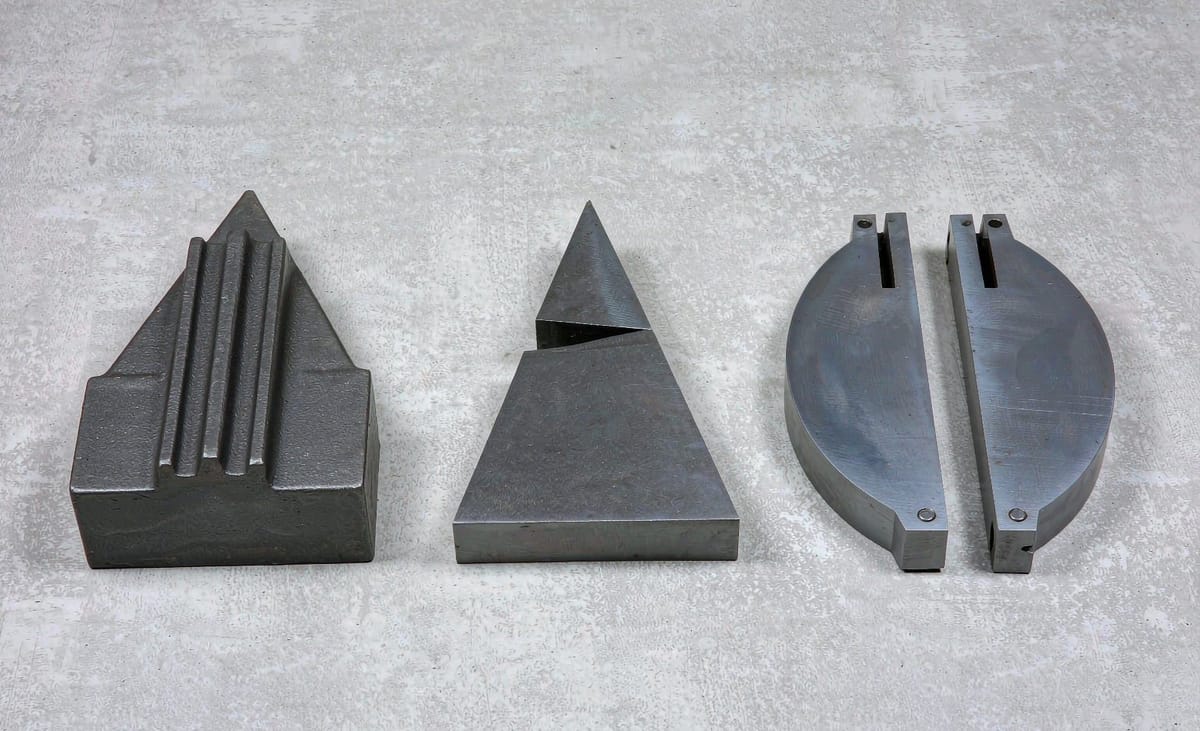
Gate Valve Wedge Types: Solid, Flexible, and Split Wedge Designs
In a wedge gate valve, the wedge is the valve. The body, stem, and bonnet are delivery mechanisms; what actually seals the line is a tapered block pressed into matching seats, and every detail of that block's geometry determines whether the valve closes tightly, binds in service, or jams shut permanently. The wedge comes in three mainstream forms — solid, flexible, and split (or double-disc) — and choosing among them is mostly a question of temperature, dirt, and thermal movement in the line.
Solid Wedge: Simple and Rugged
The solid wedge is a single, rigid, tapered piece — usually cast or forged, with seating faces machined at a slight taper to match the body seats. Closure force from the stem wedges the disc between the seats; the taper converts axial stem thrust into lateral sealing pressure on both faces.
Its strengths explain its dominance in general service:
- Constructional simplicity. One piece, no moving joints, nothing to loosen, trap debris, or corrode apart.
- Ruggedness. It tolerates rough handling, mis-set closure forces, and pipeline vibration without internal damage.
- Low cost at any given size and material.
Its weakness is thermal rigidity. A solid wedge cannot adapt when the seats and the disc expand by different amounts — which they do whenever line temperature changes or when one side of the valve is hot and the other cold. The wedge can then be pinched between the seats: forced hard against them during closure, it jams, and opening it afterward requires forces the stem and handwheel were never sized for. Bind-up after thermal cycling is the characteristic failure of solid wedge valves in hot service, and it is why experienced engineers hesitate to specify solid wedges for steam.
A second limitation: a solid wedge seals on both seats simultaneously through one rigid geometry, so it is sensitive to seat alignment. A body whose seats have worn or distorted unevenly leaves the wedge sealing on one side and leaking on the other.
Flexible Wedge: Built-In Compliance
The flexible wedge is still a single piece — same materials, same taper — but with a machined groove or circumferential rim cut around its perimeter that gives the seating faces a controlled ability to flex. When the wedge is forced into the seats, the rim acts like a shallow spring: the two sealing faces can move slightly, independently, to follow seat distortion, thermal contraction, or differential expansion.
This is the elegant middle ground of wedge design. It retains the one-piece simplicity and debris tolerance of the solid wedge while adding just enough compliance to handle thermal movement, which is precisely why the flexible wedge has become the default choice for gate valves in steam and hot process service. The classic deep-groove flexible wedge in cast steel gate valves is the standard answer for saturated steam and hot water duties across process plants.
The compliance is finite, though. A flexible wedge is not a universal remedy: extreme thermal shock can exceed its travel, and the groove itself — in aggressive or coking media — can collect deposits that stiffen it. Machining quality matters; an improperly finished groove is also a stress raiser. But in the mainstream of hot-service gate valves, the flexible wedge is the settled, industry-proven answer.
Split Wedge and Double Disc: Two Faces, Independent
The split wedge divides the sealing element into two independent halves, either hinged to a central spreader or mounted as two discs on a wedge-shaped spacer. As the stem drives the assembly down, the mechanism spreads the two faces outward against the seats; each half presses independently, following its own seat surface.
The design's virtue is adaptability taken to its maximum:
- Each disc seals independently, so uneven seat wear, body distortion, and thermal gradients between the two sides are absorbed rather than fought.
- Closure does not require grinding the wedge to match the seats, and worn seats can often be re-lapped and the valve restored with the same discs.
- Jamming from thermal pinch is essentially eliminated, because the halves are not rigidly connected.
The costs are constructional: more parts, pivots and contact surfaces that can trap solids or corrode, more fabrication, and higher price. Split wedge and double-disc designs earned their place in demanding steam power service and in large-diameter waterwork double-disc gate valves, where reliability across decades of thermal cycles justifies the complexity. In dirty or gritty media, the hinge mechanism is a liability, and the solid or flexible wedge is the better survivor.
Parallel Slide: The Non-Wedge Alternative
Any discussion of wedge types should mention the parallel slide valve, which abandons wedging altogether. Two parallel discs are pressed against parallel seats by the line pressure itself (assisted by a spring in some designs); sealing force comes from the media, not from stem thrust.
The consequences are worth knowing:
- No wedging means no jamming — the valve opens with roughly the same torque regardless of differential pressure or temperature history.
- The disc floats, so thermal cycling is inherently tolerated; parallel slide valves are a traditional choice on high-temperature steam headers for exactly this reason.
- Sealing depends on available pressure, so at very low differential the seat tightness can be marginal, and the design is less suitable where absolute seat tightness to zero leakage is required on low-pressure lines.
- Against abrasive media the flat sliding faces can score, though some designs handle this well.
The wedge-versus-parallel-slide trade is therefore: wedge designs guarantee mechanical sealing force independent of line pressure; parallel slide buys thermal freedom and torque consistency at the price of pressure-dependent sealing.
Matching Wedge to Duty
A compact selection pattern:
- Cold water, ambient utilities, general low-pressure service: solid wedge — cheapest, toughest, entirely adequate where temperature never moves.
- Steam, hot oil, hot water, any significant thermal cycling: flexible wedge — the industry default for hot service.
- Large diameter, severe thermal duty, high-reliability power or water transmission service: split wedge or double disc.
- High-temperature headers needing low operating torque and cycle tolerance: consider parallel slide.
- Abrasive or solids-laden media: prefer solid or flexible wedge; avoid hinge mechanisms.
Size and pressure push the decision too: in small forged gate valves the solid wedge prevails for compactness; in large cast gate valves the flexible wedge is standard; at the top pressure classes the parallel slide and pressure-sealed flexible wedge designs take over.
Maintenance Notes
Whatever the wedge type, the maintenance facts of gate valves apply: they are on-off devices, not throttling devices, and partial opening erodes seats and vibrates the wedge. A gate valve left half-open during modulating service is the most common self-inflicted wound in the valve inventory. For wedges specifically: lapping seats restores sealing on all types; the flexible wedge's groove should be inspected for cracks or packed deposits during overhaul; and any valve that has jammed after thermal cycling should be opened — if necessary with slow, patient, warm, measured force — rather than hammered, because a seized wedge forced open under a cheater bar destroys the stem and seats and frequently ends in a stuck-open valve.
Because wedge design interacts with body material, pressure class, and the thermal profile of each line, it is efficient to review the gate valve positions in the valve schedule with the applications team of an experienced manufacturer that produces the full valve range in-house — ball, control, gate, globe, check, strainer, knife gate, plug, and butterfly valves. The manufacturer's applications team can recommend solid, flexible, split, or parallel slide construction per service condition and return a per-line proposal with the relevant seat-leakage and pressure-class documentation.



