Carbon Capture Projects: What They Mean for Valve Demand
Carbon capture retrofits and hubs are entering real procurement. Here is how CO2 service, amine systems and a standards gap shape valve selection and buying decisions.
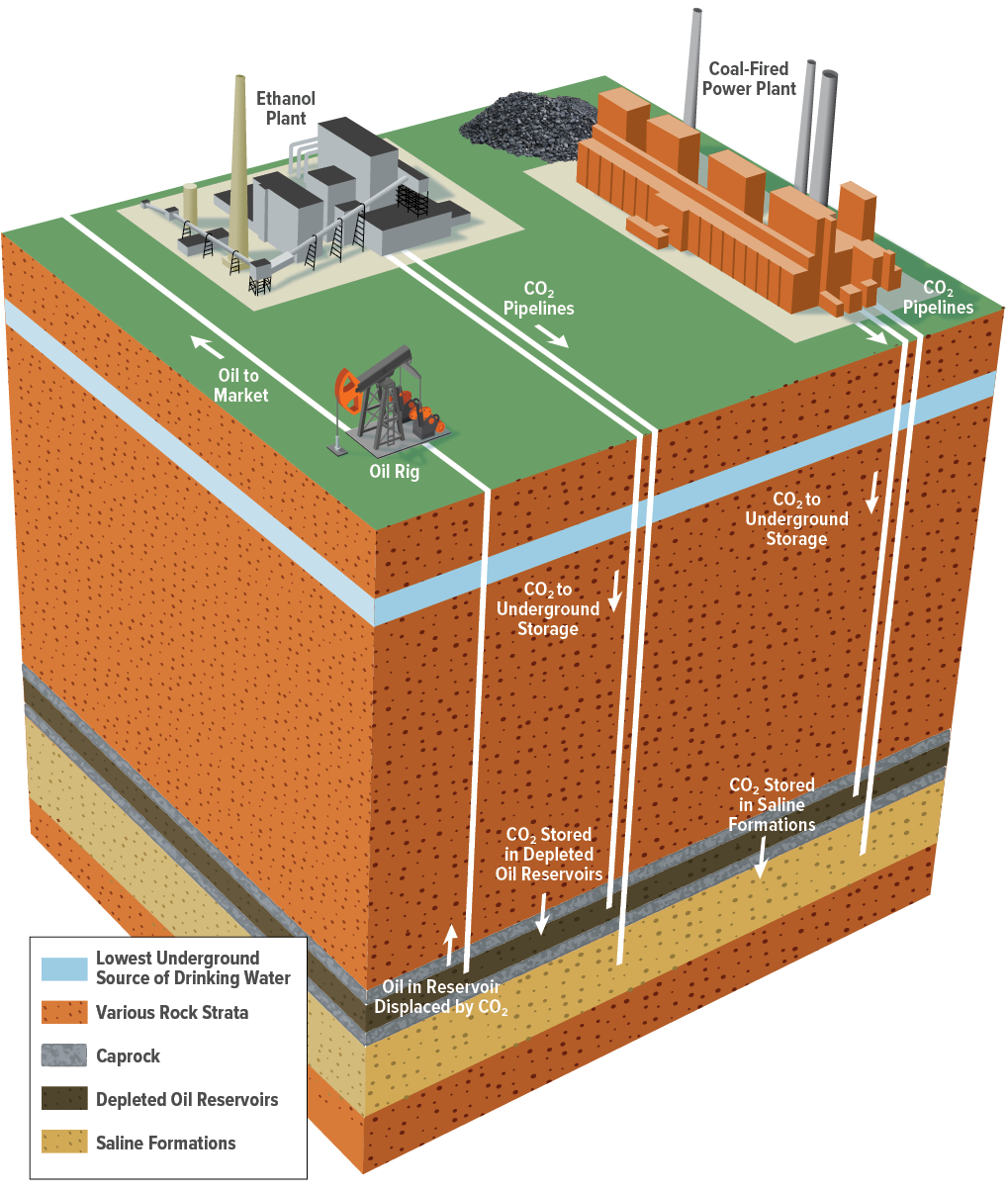
A capture unit bolted onto the back of an existing plant looks tidy on a process diagram and turns into a headache in procurement. Plot space is tight, the tie-ins are awkward, the operating window overlaps with a plant that has to keep running, and the medium turns out to be more awkward than most engineers expect on first pass. Carbon capture is moving from pilot to real projects, and it brings a distinct set of valve requirements that do not map cleanly onto ordinary oil, gas or chemical service.
Retrofit is where the near-term orders live
Most of the current activity is not greenfield. It is a capture block attached to a power station, a cement kiln, a steel mill, an ammonia plant or a refinery. The end user already has a plant and a maintenance culture, which cuts both ways. On the positive side, the project reaches procurement faster than a standalone development, because the site exists. On the difficult side, the capture block has to be squeezed into a layout that was never designed for it.
That retrofit reality shapes demand in practical ways:
- Valve sizes tend to be constrained by existing pipe runs and tie-in points, so selection is dictated by the interface rather than by the ideal hydraulic choice.
- Space is short, so compact face-to-face dimensions and access for maintenance matter more than they usually would.
- The host plant is often still operating during construction and commissioning, which raises the bar on isolation and temporary service duty.
For an EPC firm and an owner, this means the valve scope on a capture retrofit is messier than the flowsheet suggests. Fewer standard repeats, more case-by-case calls.
The four segments do not behave alike
Carbon capture and storage is often discussed as one thing. Commercially and technically it is four different valve markets wearing one name.
Capture. The medium here is flue gas and, on the solvent side, a circulating amine solution. Pressures are low to moderate, temperatures are moderate, and the technical pressure point is not pressure at all — it is corrosion and solvent management. This is the segment where most of the near-term valve packages sit.
Compression and dehydration. Once the CO2 is captured, it has to be compressed to pipeline or storage conditions. This is where pressures climb sharply and the medium changes character, and where valve classes jump.
Pipeline transport. Dense-phase or supercritical CO2 transport is its own discipline. The valve population per kilometre is small compared with capture, but each item is more demanding, and the consequences of a leak are not trivial.
Storage and injection. Injection wells, wellheads and the near-wellhead surface equipment borrow heavily from oil and gas practice, but with CO2-specific concerns layered on top.
A buyer who treats these as one package will misprice at least half of them. The right move is to break the enquiry along these lines and let each one be quoted on its own terms.
CO2 is not a friendly medium
Supercritical and dense-phase CO2 behaves in ways that catch people out, and for a buyer the important part is not the physics but the consequences for what you order.
- The operating envelope can cross phase boundaries, so a line that is liquid at one moment can be two-phase at another. Valves that were fine in steady state can behave badly during transients.
- Impurities matter. Water, oxygen, hydrogen sulphide and other trace components change what the CO2 does to the valve and to the pipe.
- Dry, clean CO2 is one story. Wet or contaminated CO2 is another, and it is usually the wet one that causes trouble.
- Rapid depressurisation and the cooling that comes with it can take a valve below its intended temperature range.
The practical consequence is that pressure rating alone tells you very little. The selection conversation has to cover the actual composition and the actual operating envelope, including the upset cases, because those are the conditions that decide whether a valve survives.
Amine systems: the corrosion question
On the capture side, the circulating solvent loop is where material selection earns its keep. Amine solutions degrade into corrosive species over time, particularly in the presence of oxygen and elevated temperatures, and the corrosion tends to concentrate exactly where you least want it — around hot zones, rich-lean exchangers and high-velocity areas.
For procurement, this is less about exotic metallurgy everywhere and more about being deliberate:
- Stainless and higher-alloy options are common where the solvent is hot and the risk is highest, while carbon steel with appropriate allowance still holds its place in cooler, lower-risk parts of the loop.
- Velocity and turbulence matter as much as the alloy choice, which is an argument for paying attention to valve type and trim, not just the body material listed in the datasheet.
- Solvent cleanliness and filtration interact with valve reliability, so the filter and strainer scope is not a side issue.
The temptation to over-specify the entire solvent loop in high-alloy material is understandable and expensive. A position-by-position review almost always finds that the money is better spent on the hot and high-velocity positions than spread evenly across the loop.
Standards are still catching up
The industry is building CO2 infrastructure against codes that were largely written with other fluids in mind. Pipeline and storage codes are being adapted, and capture plant design leans on chemical and power practice, but the coverage is uneven.
This produces a few predictable difficulties:
- Specifications reference standards whose CO2-specific clauses are still in development or newly issued.
- Different projects interpret the same service differently, which makes cross-project comparison of quotations harder than it should be.
- Owners carry risk conservatively, which shows up as extra requirements and longer review cycles.
None of this is a reason to delay a project, but it is a reason to lock specifications early and to be explicit about which standard governs which service.
What this means for buyers
- Split the enquiry by segment — capture, compression, transport, storage — rather than asking for one lump package.
- Give the manufacturer the actual CO2 composition and the full operating envelope, including upset and depressurisation cases.
- On the capture side, review the solvent loop position by position instead of applying one material rule everywhere.
- Ask for documentary evidence on low-temperature performance and any sour or wet-service qualifications.
- Budget schedule time for specification disputes, because the codes are still settling.
Carbon capture is a real market with real orders, but it rewards buyers who read the fine print of their own process rather than the headline of the announcement. That kind of review is usually done jointly with the manufacturer. A manufacturer that produces the full valve range in-house — ball valves, control valves, gate valves, globe valves, check valves, strainers, knife gate valves, plug valves and butterfly valves — can usually say within days which positions in a capture and CO2 line list are routine and which carry real risk. Send the relevant line items or application details to the manufacturer's applications team and ask for a per-position proposal.